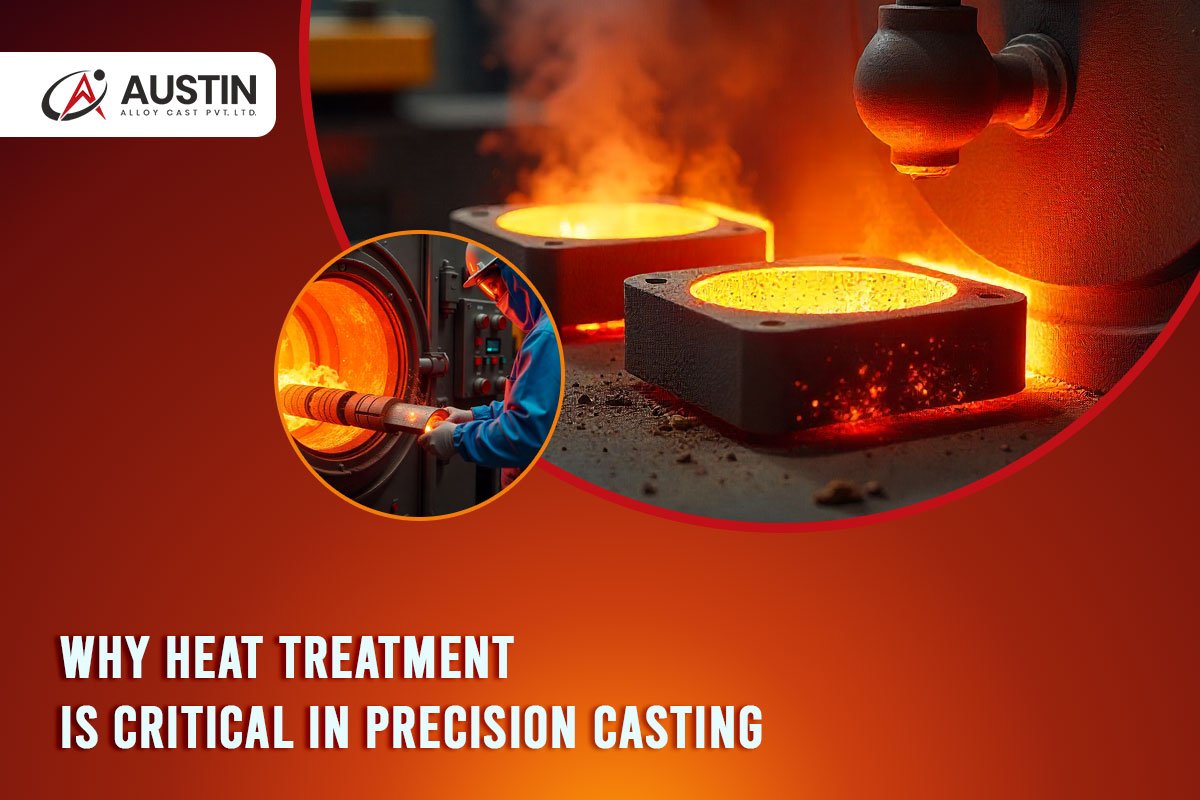
Why Heat Treatment Is Critical in Precision Casting

Accuracy is critical in the metal manufacturing process. At Austin Alloy Cast, we have first hand experience with even the slightest imperfection in a casting can impact performance, durability, and efficiency. Precision casting, commonly referred to as investment casting, is known for its ability to create complex shapes within tight tolerances, but generating a near net shape, is only part of the equation. Heat treating is the thing that will fully realize the capability of a component.

Heat treating is not just the final step of the production process; it is an entire process that has internal structure change the metals so that they can be subjected to demanding environments. In aerospace, automotive, energy, and heavy machinery, heat treating is the great differentiator between a part that exists, and a part that works.

Heat Treatment and Casting

When a metal is poured into a mold and solidifies, it may not have the ideal microstructure to provide strength, hardness, or toughness. Therefore, heat treatment is employed. When cast alloys are heated and cooled at controlled rates, the microstructure can be optimized internally, with internal stresses relieved, and the mechanical properties altered.

At Austin Alloy Cast, we view heat treatment as part of the precision casting process and not a separate step. In combination with precision casting, heat treatment will be used to manufacture a consistent, durable, and customer specific final product.

Important Advantages of Heat Treatment in Precision Casting
  • Increased Mechanical Strength

Heat treatment is necessary for many alloys especially stainless steels and superalloys to achieve their design strength. Proper heat treatment will ensure that the casting is able to resist high applied stress and load.

  • Increased Hardness and Resistance to Abrasion

Many components in industries such as automotive, mining, and defense experience extreme friction and wear. Heat treatment will increase surface hardness while not affecting toughness to maximize service life of the part.

  • Stress Relief

Castings will develop internal stresses during cooling and solidification. Without heat treatment, these internal stresses can lead to cracking, warping, or premature failure of the part. Heat treatment allows us to relieve this energy and stabilize the material in advance of heat treatment for dimensional stability.

  • Microstructure Control and Refinement

One critical mechanical property is grain size and distribution. Processes like annealing and normalizing allow us to develop a smooth and stable microstructure that also promotes enhanced strength and ductility.

Common heat treatment processes for a precision casting
  • Annealing: Softens the metal, makes the machining easier, and increases ductility.
  • Normalizing: Refines the grain structure and balances strength and toughness.
  • Quenching and tempering: Results in high hardness from the rapid cooling, and then tempered to a lower hardness to reduce brittleness.
  • Solution treatment and aging: To improve corrosion resistance and high temperature strength.

In Austin Alloy Cast, the philosophy for heat treatment will vary depending on the alloy composition and the requirements for performance of the final part. Each batch will receive the desired mechanical and metallurgical properties through strict quality checks.

Heating regulating and industry demands

From jet engine blades to automotive transmission components, precision castings are subjected to extreme service demands.  If the proper heating treatment is not applied, these critical components may fail under stress, corrosion, or fatigue.  Hence the industry not only trust expertise for the casting but also requires expertise regarding the metallurgy.

Austin Alloy Cast has built its reputation based not only on providing intricately cast components but components that are cast with a metallurgical advantage, our team understands that the end user is not just purchasing a casting, they are trusting us with safety, performance, and reliability.

Innovation in casting entails more than the geometries or tolerances. For us at Austin Alloy Cast, the heat treatment is the bridge between your design intent and your actual application. We’ve invested in state of the art furnaces, temperature monitoring systems, and controlled cooling, allowing us precision and repeatability each time.

Even more so, we work closely with customers to develop heat treatment schedules that meet their needs. Whatever the component does; survive a corrosive marine environment, endure high stresses in aerospace applications, or run in a fabrication shop at a heavy duty size and duty cycle, heat treatment is the key to unlocking the performance of the part.

Final Thoughts

Precision casting alone delivers accuracy, but heat treatment transforms that accuracy into performance. It is the unsung hero of the casting process, ensuring that the metal’s internal structure aligns with the functional demands of its environment.

At Austin Alloy Cast, we believe that precision doesn’t end once the mold breaks open. It continues in every furnace cycle, every transformation of grain structure, and every layer of reliability we embed into the part. That’s why heat treatment will always remain a critical pillar of what we do; because our customers deserve not only perfectly cast components but also components engineered for excellence.

Casting Nickel Alloys: Challenges and Breakthroughs in Precision Casting Work

Nickel alloys are some of the most powerful, versatile, and demanded high performance alloy castings made today. Found in so much of what we use and need, the favorable properties of nickel alloys for heat, corrosion, and mechanical wear resistance make them a useful material to have in demanding environments such as aerospace, marine, chemical processing/oil and gas, and energy applications. More than anything, the properties of nickel alloys give these materials a strong degree of marketability, unfortunately, they also present some unique challenges in the manufacturing process that require precision, skill, and technology in the casting process to master.

In this blog, we will look at the properties of nickel alloys, challenges in the alloy casting process, some of the new innovations in precision casting that are changing the landscape of what products can be accomplished with nickel alloy castings, and how the need for nickel based castings will continue to grow. Austin Alloy Cast, as a specialist in precision castings, is helping to shine a light on the trusted niche applications for these materials across global industries.

Nickel Alloy Property Characteristics

Nickel is a metal accessible in capacities of strength, toughness, and extreme environment resistance. It possess enhanced properties when combined with chromium, molybdenum, or iron. A few of the key properties are: –

  • Corrosion Resistance – Nickel alloys are effective to extreme chemical exposure, saltwater environment, and in acidic environments
  • Super Heat Resistance – Nickel alloys are not only good in very high temperature but will maintain their strength and stability during the temperature variations of turbine applications in aerospace and the parts in furnace applications.
  • Mechanical Strength – Nickel alloys are durable and exhibit long service life even in high performance applications.
  • Versatile in Applications – Nickel alloys are incredibly versatile in terms of application and useful in high pressure and/or corrosive environments. They are effective in applications including chemical processing equipment to hardware components of jet engines.

These special properties allow nickel alloy castings to be the select choice where conventional steels or conventional iron alloys cannot be used.

Many Challenges with Nickel Alloys

Nickel castings can be very useful in service, but the difficulties involved in both melting them and casting them are well documented. Other commonly used alloys will create challenges, but nickel alloys have significant challenges for melting, pouring, and machining, because of their complex properties. Here are a few of the most important challenges in nickel alloy casting:

  • High melting points – Nickel alloys will typically require very high furnace temperatures, which needs special equipment and involves higher costs in energy.
  • Tendency to oxidize – Nickel alloys will tend to produce oxides while melting, which would deteriorate the quality of casting, unless controlled atmosphere and fluxes are used.
  • Machining difficulties – Nickel alloys are more difficult to machine than most steel so which leads to erosion of the tool and take a longer time. Accurate machining can only be done with advanced tools and cooling systems.
  • Shrinkage and defects – Nickel alloys can have shrinkage at the solidification stage, cracking, or porosity if not controlled while casting.
Breakthrough Methods and Solutions

Recent decades have witnessed significant breakthroughs in nickel alloy casting technology, which have reduced the conventional challenges to a minimum. Some of the significant breakthroughs are:

  • Vacuum investment casting – By utilizing vacuum-controlled environments, oxidation is minimized, and defect free nickel alloy castings are ensured.
  • Directional solidification and single crystal technology – particularly in aerospace use, these methods enhance creep resistance and high temperature performance.
  • Better mold materials – New ceramics and thermal resistant coatings on molds decrease reactivity with molten nickel alloys.
  • Computer simulations – To predict solidification, optimize gating systems, and reduce defects, modern foundries use casting simulation software.
  • Better machining solutions – Carbide inserts, high speed machining tools, and coolant technologies have improved machining of nickel alloys.

All these innovations mean that industries can count on consistent quality even when dealing with such challenging materials.

Uses for Nickel Alloy Castings

Nickel alloy castings are used in a variety of applications in many different industries because the performance properties are unique:

  • Aerospace – Turbine blades, housings, and combustion chambers for jet engines.
  • Oil & Gas – Valves, pumps, and fittings carrying corrosive fluid.
  • Marine – Propellers, pump housings, and components submerged in salt water high salt and corrosion resistance.
  • Chemical Processing – Heat exchangers, reactors, and piping systems requiring acid and corrosive chemical resistance.
  • Power Generation – Components meant to deal with the heat and radiation from a nuclear reactor or gas turbine.

A principal argument for selecting high performance alloy castings via nickel alloys is that they resist both heat and corrosion damage. Whereas stainless steels will corrode in the end, nickel alloys will retain their strength and usability within harsh chemical media. In addition, nickel alloys in elevated temperature application environments, i.e., gas turbines, retain their strength without deforming or losing mechanical qualities.

This dual resistance enhances the service longevity of industrial drivers and reduce downtime, maintenance, and replacement rates. This allows OEMs greater operational efficiencies, and lower long-term operational costs.

Future Demand in Advanced Industries

World demand for nickel alloy castings is on the verge of increasing exponentially. As aerospace businesses expand, renewable energy ventures, chemical facilities, and marine prospecting increase, the demand for materials with strength, corrosion resistance, and heat tolerance is higher than ever.

  • Aerospace developments – New turbine engines that are more efficient depend greatly on nickel-based alloys.
  • Green energy – Offshore wind turbines and hydrogen facilities need corrosion- and mechanically resistant materials.
  • Medical equipment – Nickel alloys are now used more widely in high-precision medical devices and implants.
  • Nuclear and defence industries – Advanced reactor and defence uses need nickel alloys for reliability and safety.

Austin Alloy Cast continues to lead the way in providing these essential solutions, keeping industries equipped with safe high performance alloy casting solutions.

Conclusion

Nickel casting is not an easy technical operation. It is a science that has to balance precision, complex equipment and many years of experience. While the challenges in nickel alloy casting are large, the advances in vacuum casting, simulation and machining have transformed the industry allowing the production of quality parts defect free.

For industries that require strength, corrosion and heat resistance, and high performance properties in extreme conditions, nickel alloy castings are still the gold standard. As global demand continues to slowly rise, foundries such as Austin Alloy Cast are leading the way to the future of precision engineering.

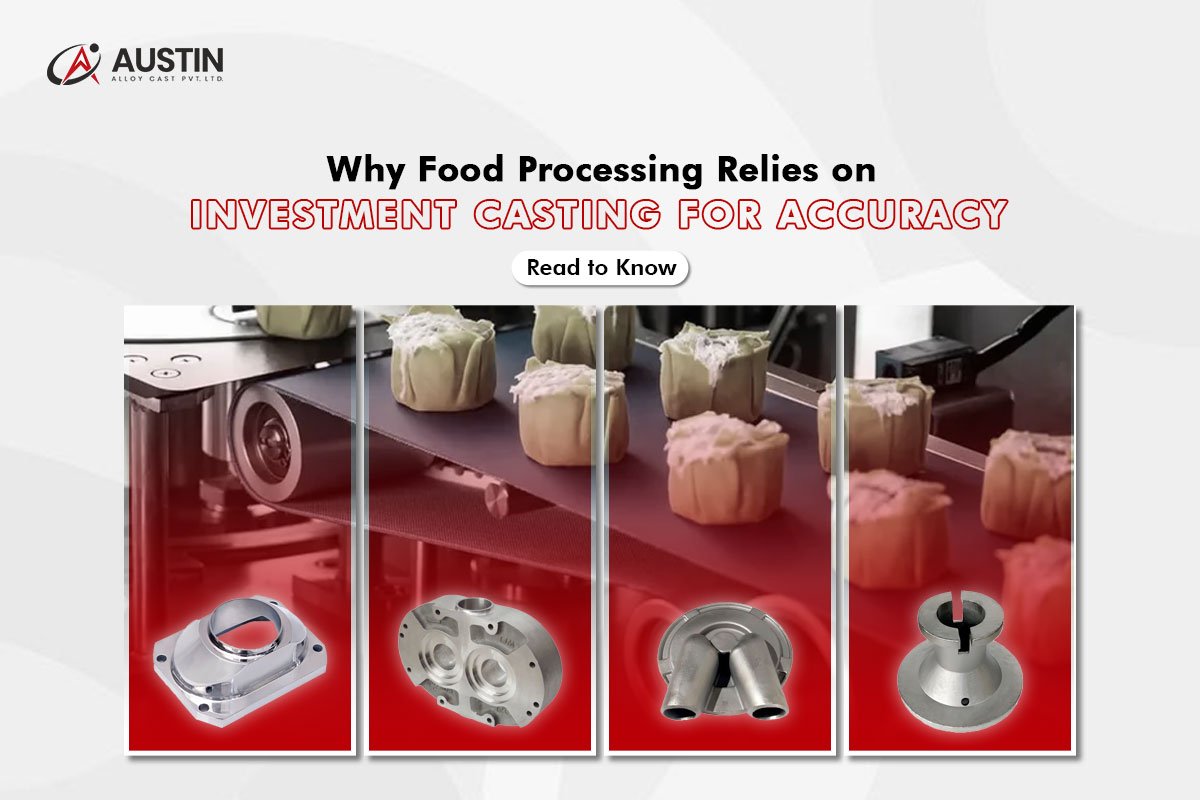
Why Investment Casting Is Preferred for Precision Parts in Food Processing Industry.

Where food processing equipment manufacturing is concerned, precision is not only about efficiency but also about hygiene, safety, and adherence to stringent industry regulations. Unlike general engineering or heavy machinery, food processing equipment requires a level of surface finish and dimensional accuracy far beyond standard requirements. For this reason, when it comes to manufacturing pumps, valves, and other precision parts used in sanitary applications, lost wax investment casting solutions are preferred.

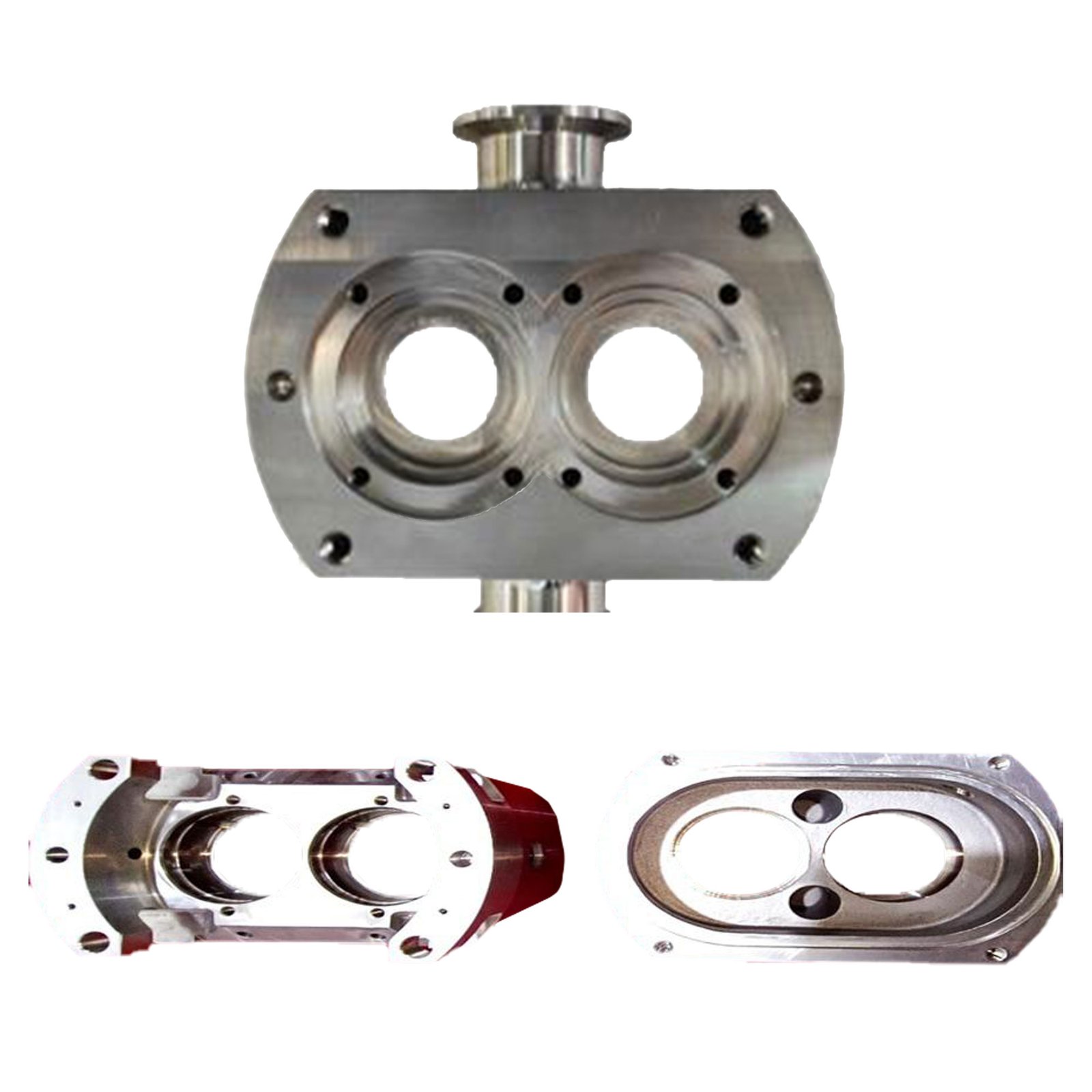
Austin Alloy Cast have been providing investment casting solutions that meet the strict demands of food processing, ensuring precision, hygiene, and reliability in pumps, valves, and other critical components. We have built a reputation for providing reliable hygienic parts for today’s high standards of industry. Our Hygienic parts portfolio solutions includes Lost-wax investments castings for circumferential piston pumps and rotary pumps that are built for maximum functioning, economy, durability, and maintenance free cleanliness for food processing industry. These represent just a few examples from our wider portfolio of our investment castings. Each investment casting part manufactured by us is made with the utmost care and attention to detail to successfully function in the critical applications where hygiene and reliability are paramount. From complex pump housings to rugged casting assemblies, every part manufactured by us demonstrates our commitment to innovation, quality, and excellence in engineering.

Weaknesses of Fictitious Parts in Food Manufacturing

In the paper production cast parts or heavy duty machinery, small weld marks or small pores might not generate operational issues. But in food production, those deficiencies can be severe:

  • Surface Porosity – Even the smallest dents or pores can capture food particles and cause bacterial growth and contamination hazards.
  • Assembly Misalignment – Welded parts tend to experience minute distortions, which have the tendency of resulting in fitment problems in pumps and valves.
  • Prohibitive Maintenance Costs – Fabricated parts tend to have higher polishing, cleaning, and maintenance needs in order to maintain food grade compliance.

OEMs in the food industry increasingly rely on investment casting manufacturer like Austin Alloy Cast to supply precision components that meet hygienic standards.

The Importance of Inner Surface Quality

Surfaces in contact with food should be smooth, flush, and without seams. Any defect in the surface, such as a micro fracture, void, crevice, dent, or rough surface, is going to trap residue. Once contaminated, insidious bacteria can be harbored, posing a food safety risk and a challenge to compliance with rigid regulations like FDA and EHEDG.

Investment casting will provide:

  • Better surface finish, which will eliminate any micro traps.
  • Uniform inner surfaces in pumps, valves and housings.
  • Accurate tolerances enabling proper operating assembly and tolerances.

Positive Displacement Pumps: Lobe Pumps, Piston Pumps & More

Among the most commonly utilized food processing equipment are positive displacement pumps, which may be lobe pumps or piston pumps.

  • Lobe Pumps Admired for their gentle treatment of thick food materials such as dairy, sauces, and syrups, lobe pumps demand cast housings and rotors with a perfect finish. A minute blemish can cause flow to be disrupted or create a fertile breeding ground for bacteria.
  • Piston Pumps – These pumps require immaculate bore alignment and close tolerances for efficient operation. Anything other than this may cause leakage or contamination.

Investment casting in food processing enables the production of pumps with hygienic-grade inner finishes and close machining tolerances, ensuring flawless performance even under challenging conditions. We proudly support several industry leaders in the positive displacement pump segment. To learn more about our customer success stories and product references, reach out to our marketing specialist at info@austinalloycast.com.

Valve Portfolio in Hygienic Applications

Another key component in food processing systems is valves, as they regulate the movement of liquids, slurries, and semi solids. Investment cast valve parts are what is needed for hygienic applications due to the durability and ease of cleanability that they offer. Some examples include:

  • Butterfly Valves – Best for fast shut off and easy cleaning.
  • Ball Valves – Cast for accuracy in sealing and low risks of contamination.
  • Globe Valves – Providing fine control in processing lines.
  • Check Valves – Providing single way flow without leaking.

Through investment casting, manufacturers gain consistent surfaces, close fitment, and long lasting corrosion resistance, thus rendering these valves dependable in constant, food grade operations.

With expertise in stainless steel and high grade alloys, Austin Alloy Cast ensures that lobe pumps, piston pumps, and valve castings achieve the smooth inner surfaces required for food safety compliance.

Conclusion

An additional critical reason why investment casting solutions prevail in this industry is the capability to achieve high tolerances in machining. In food grade equipment, slight misfits can lead to: Gaps where bacteria thrive. Leakage problems during running. Recurring downtime for maintenance.

Investment casting continues to stand out as the preferred choice for precision parts in food processing machinery. Austin Alloy Cast play a vital role by delivering components with superior surface finish, dimensional accuracy, and hygiene compliance, ensuring that pumps, valves, and other equipment meet the highest global standards.

Precision castings provide smooth assembly and fitment, eliminating such risks and increasing operational dependability.

Investment Casting vs. Fabrication: A Better Solution for Paper Industry Components

In the rapidly changing world of industrial production, there is one debate that comes up again and again casting vs fabrication. Both processes have been utilized for decades to produce critical machinery parts, but in industries like paper and pulp, in which machinery is subjected to repeated stress and exposure to water, heat, and chemical treatments, the type of process used can have a direct effect on performance, efficiency, and long term expense.

Here, we look at why investment casting solutions are the way of the future for paper industry cast components, supplanting conventional fabrication techniques. Austin Alloy Cast are already proving how the shift brings actual value to OEMs and end consumers in the paper market.

Understanding the Difference Between Fabrication & Casting

Fabrication tends to include cutting, welding, and construction of raw materials like steel plates or rolled sections into a needed form. Although this is very flexible for small quantities or simple geometries, it has a number of disadvantages when working with complicated shapes or parts that are exposed to high wear and tear.

Investment casting the molten metal is cast into an exact mold. Investment casting is often referred to as lost wax casting when producing the part. This creates the opportunity for manufacturers to make sophisticated designs with high dimensional accuracy. For the paper market, which uses many components such as housings, impellers, and wear parts, near net shape capability is a big benefit.

Weaknesses of Manufactured Parts in Paper Industry Uses

Manufactured parts tend to have difficulty functioning in paper mill plants’ rigorous environments. Some typical weaknesses are:

  • Weld Weaknesses: Welded joints tend to be the initial failure points by way of fatigue, vibration, or corrosion. On high speed paper machines, small weld cracks can lead to catastrophic failure.
  • Material Inconsistency: Fabrication often involves the joining of disparate materials, which can form planes of weakness where properties do not agree.
  • Dimensional Variability: Maintaining close tolerances in fabrication is troublesome. Welding misalignments or warping can create uneven wear or energy losses.
  • Maintenance Costs: The constant repair, rewelding, or replacement of fabricated components raises maintenance costs. For an industry where uptime and never down operation are essential, fabricated components tend to be an expensive trade off.
How Investment Casting Enhances Precision

Precision is among the most determinant aspects of casting vs fabrication. Investment casting solutions for paper industry enable engineers to recreate intricately detailed geometries with low machining demands. In papermaking, precision translates into:

  • Optimized Flow Channels: For parts such as impellers or housings, smooth finishes and precise profiles enhance fluid dynamics, saving energy.
  • Uniform Wall Thickness: Unlike manufacturing, casting provides even thickness, reducing stress concentration areas.
  • Less Secondary Machining: Since the cast component is near net shape, OEMs save time and money on secondary processes.

Accuracy isn’t about tolerance; it’s about making sure each component functions precisely the way it was designed to under the tough conditions of pulp and paper making.

Strength & Durability Advantages of Investment Casting

Strength is where investment casting really excels over fabrication. Cast components provide:

  • Integral Strength: Castings are monolithic, with the material pouring as a single, homogeneous body. This negates typical weak spots.
  • Better Alloy Options: Investment casting enables the utilization of highly specialized alloys like stainless steels and duplex steels that offer corrosion resistance to chemicals used in paper processing.
  • Wear Resistance: Cast components of the paper industry are subjected to continuous mechanical stress, abrasive slurries, and fibrous material. Longer wear life, lower downtime are provided by investment cast parts.

Investment casting eliminates structural weaknesses that are inherent in welding, creating a better solution for the aggressive operating conditions of the paper mill.

The Case for Long Term Cost Savings

At first glance, fabrication may appear to be cheaper than cast, especially for low volume or simple parts. However, OEMs and plant owners are learning quickly about the long term cost savings from investment casting solutions:

  • Lower Maintenance & Replacement Costs: Longer wear life means fewer parts that need to be replaced.
  • Energy Efficiency: Precision engineered cast parts use more energy efficient and less energy overall, thereby reducing its ultimate energy consumption.
  • Less Downtime: Less breakdowns and part failures mean greater productivity for the plant.
  • Increased Lifecycle Value: Although up front costs are a bit higher, investment casting gives you better return on investment over the lifecycle of the equipment.

For an industry that relies on operational production lines to maintain profits, these savings can mean a lot.

Why OEMs of the Paper Industry Are Turning towards Investment Casting

Worldwide OEMs that cater to the paper and pulp industry are gradually moving out of fabricated parts and toward paper industry cast parts. Some of the primary reasons behind this are:

  • Improved Equipment Reliability: Cast components are in line with the industry’s need for trouble free operations.
  • Design Freedom: Investment casting enables OEMs to come up with innovative designs without being limited by weld or assembly restrictions.
  • International Quality Standards: Cast parts can be produced to international standards such as ASTM or ISO to comply with export markets.
  • Scalability: For OEMs that are running in larger quantities, casting is economical in comparison with repeated manufacturing.

Austin Alloy Cast and other companies have been leaders in providing castings precision engineered to paper industry OEMs to assist them in moving away from traditional manufacturing towards superior casting solutions.

Conclusion: Casting vs. Fabrication; The Uncontested Champion in Paper Industry Parts

When considering casting versus fabrication particularly in destructive conditions like the paper industry, investment casting is the undisputed champion. Investment casting clearly has many advantages, including better precision, greater longevity, lower lifecycle costs and better performance.

For OEMs and paper mills that are looking for long term efficiency and reliability, cast components for the paper industry are not just an upgrade, they are a necessity. And with reliable company Austin Alloy Cast leading the way, the adoption of advanced casting technologies in the industry will accelerate in the coming years.

Certifications & Standards That Matter in Global Casting Exports

In the current era of competitive manufacturing, global casting exports are no longer simply a matter of making robust components in volume. Global consumers expect not only accuracy but also demonstration of quality, safety, environmental stewardship, and adherence to well established global standards. For exporters such as Austin Alloy Cast, certifications serve as passports that unlock global markets, allowing customers of all industries to have faith in every shipment.

This blog delves into the reasons why certifications are so important in the field of casting exports, the most important standards of relevance, and how Indian foundries are upping their game to compete at the international level.

Why Certifications Are Important for Casting Exports

When a business ships castings whether for automotive, oil & gas, mining, or heavy machinery applications it enters a highly regulated marketplace. Import countries and OEMs anticipate that suppliers will comply with stringent demands. Certifications are used as:

  • Verification of compliance: Verifying products that are safe, environmentally friendly, and technologically efficient.
  • Risk Reduction: Reducing failures, accidents, or recalls in critical mission environments.
  • Worldwide credibility: Proving that a foundry is as good as global industry leaders.
  • Access to markets: Some certifications are prerequisites to even access tenders or supply chains.

For purchasers, certifications provide confidence to buy from a credible, internationally known supplier.

Common Global Standards for Casting Exports

The casting industry works with varied applications, and certifications differ based on the industry. Some of the most impactful include:

1. ISO Certifications
  • ISO 9001 Quality Management System: ensures processes are standardized, controlled and improving always.
  • ISO 14001 Environmental Management: confirms commitment to environmentally responsible practices, waste reduction, and sustainable operation which are defined for consumers today.
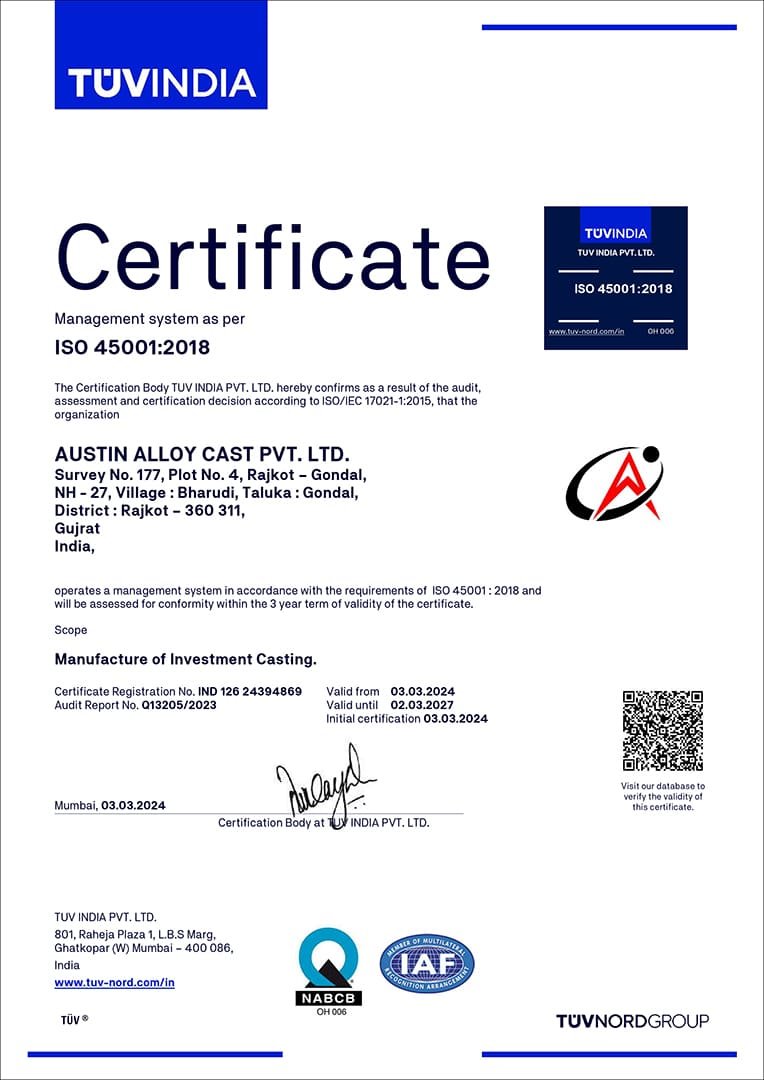
  • ISO 45001 Occupational Health & Safety: Verifies proactive commitment to employee safety and risk management on the floor in the foundry.
2. ASTM

ASTM specifications establish the technical standards of materials chemical composition to mechanical strength. Compliance guarantees purchasers that castings are meeting international standards for resilience and performance.

3. API (American Petroleum Institute)

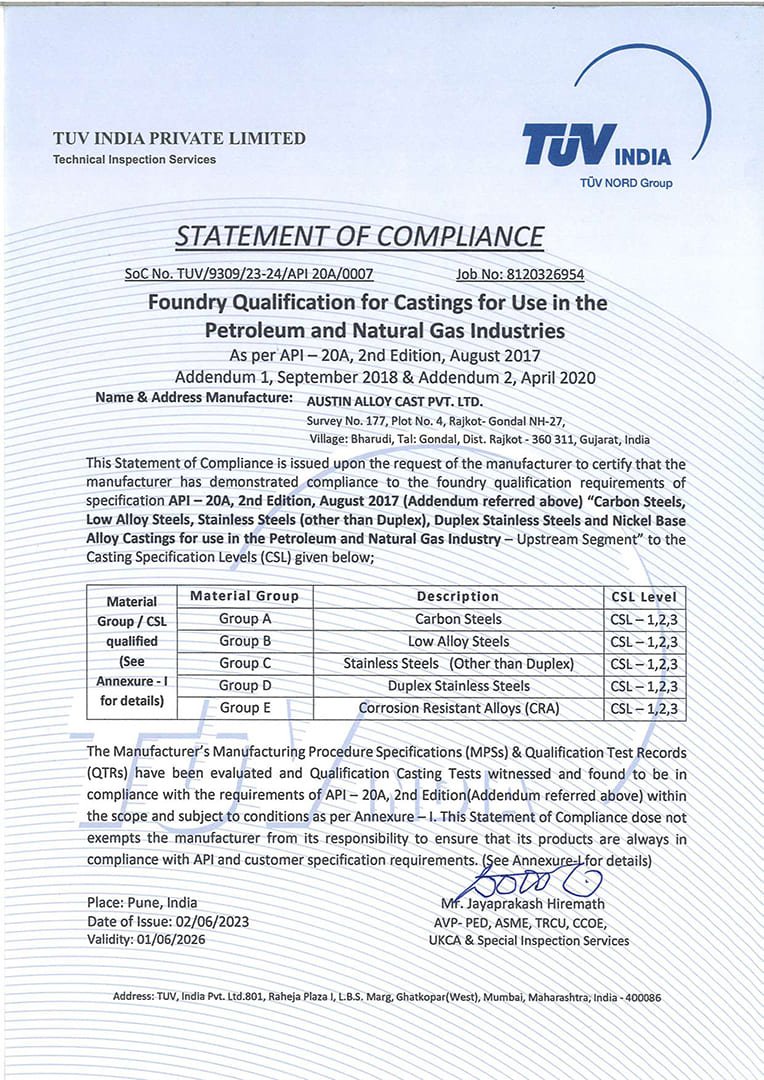
For oil & gas and petrochemical use, API standards are vital. They ensure valves, pumps, and pressure containing units can perform to demanding specifications of such things as high pressure, temperature swings, and corrosive conditions.

4. IATF 16949 (Automotive Industry Quality Management)

The global automotive industry supports the market and affiliated markets through engine, transmission and structural castings. IATF certified castings keep the automotive industry below tight quality, safety and traceability regulation.

5. Marine Approvals

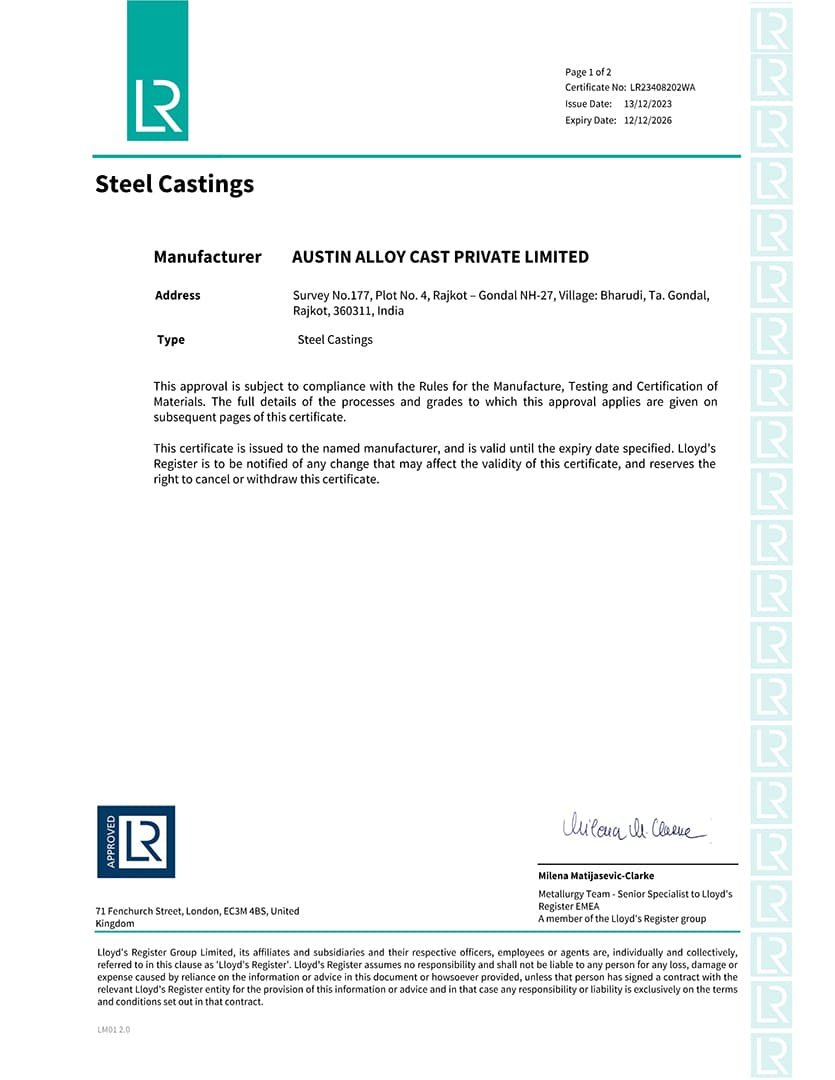
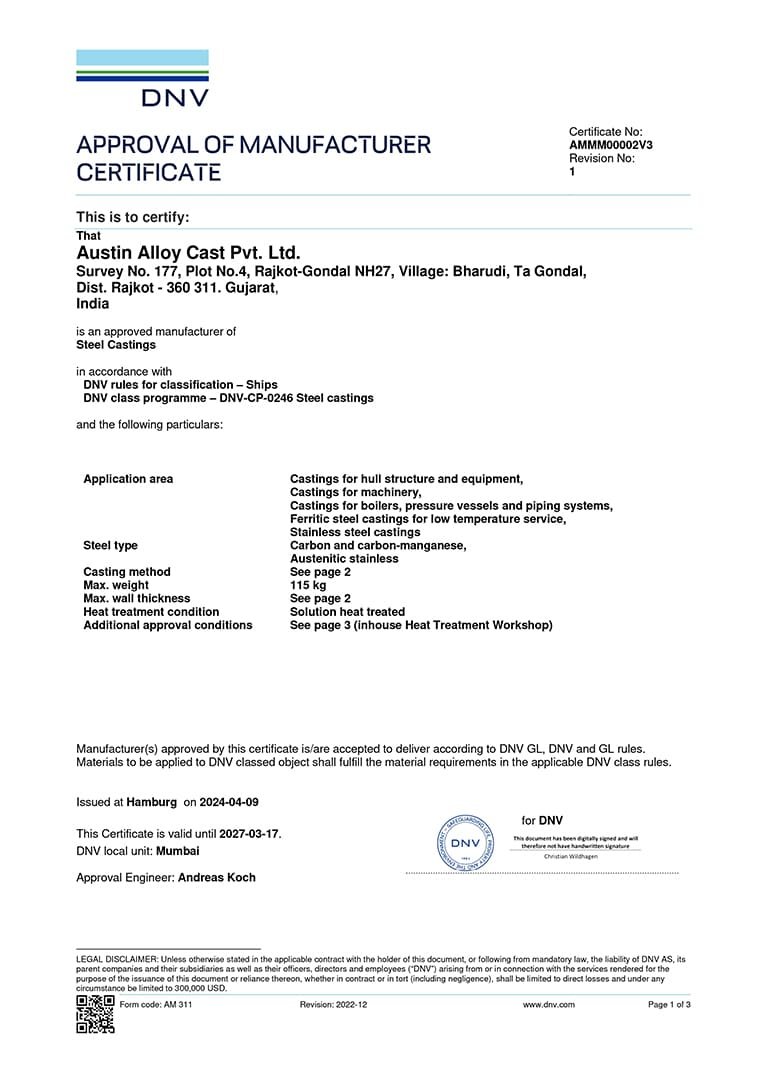
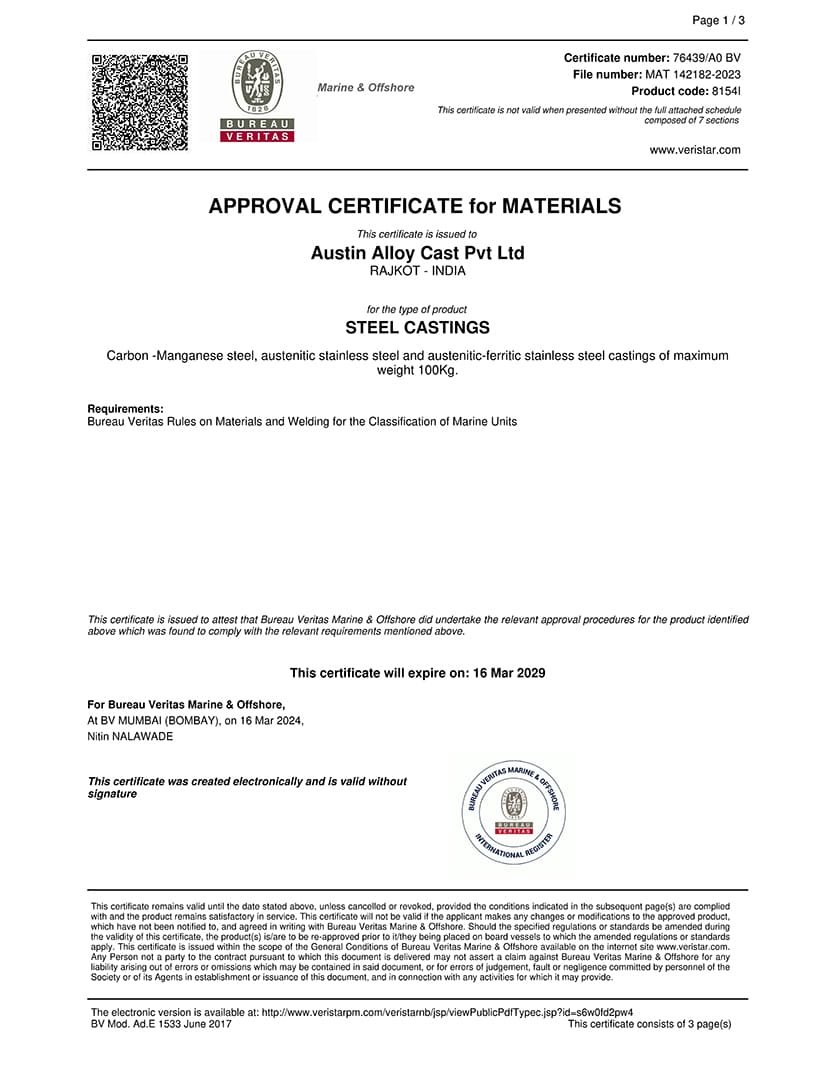
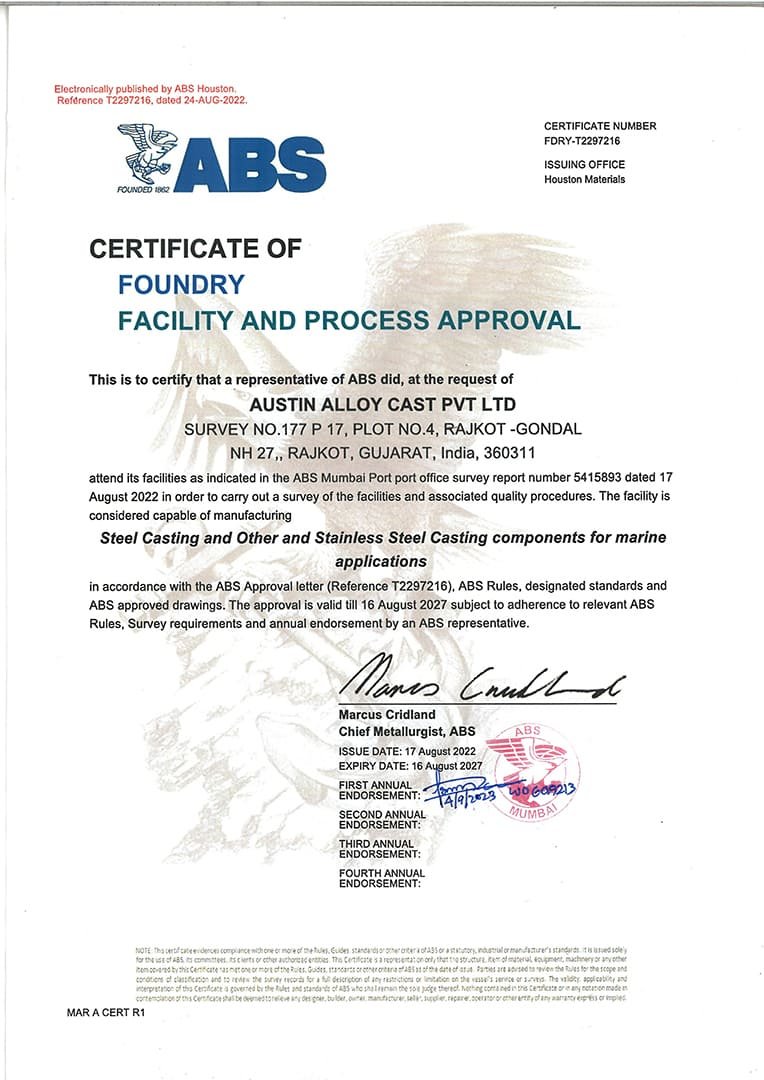
Marine classification society approvals from Lloyd’s Register, DNV-GL, Bureau Veritas, and/or ABS will of course be valuable if you are working for marine related companies as they show that the cast parts can hold up to extreme saltwater environment, extreme corrosion and tough marine application areas. Marine certifications illustrate that foundries such as Austin Alloy Cast is a recognized supplier to the international market naval defence programs, and offshore oil and gas design and manufacturers.

Advantages of Certifications for International Customers

International customers purchasing castings, do not obtain certifications simply for the piece of paper. Rather, the value of a certification is a trust guarantee, and includes the following benefits:

  • Quality consistency: International customers are aware that the quality of each delivery will have the same specifications as all prior deliveries.
  • Lower inspection costs: International customers will spend less money on third party inspection of certified suppliers.
  • Safety commitment: ISO 45001 certifications are in some instances the assurance that the customer can contract a supply chain with a smaller risk of incident, fall back or lapse in safety commitment.
  • Sustainability: adoption of ISO 14001 environmental management certificates allows for international customers to integrate sustainability in purchasing responsibly sourced integrative.

Consistent Quality and Safety Management.

If anything is unacceptable to the worldwide marketplace, it is failure or defects. One casting defect can mean downtime or accidents and lead to losses in the millions. Certifications require:

  • Process discipline: Consistent process discipline means complying with standard operating procedures. In a certified foundry, the process will be followed to ensure the least amount of variability.
  • Traceability: Each casting can be traced by the batch of its material and the process parameters used.
  • Testing protocols: Certified foundries have financial obligations associated with NDT Non Destructive Testing, radiography, and destructive testing to prove integrity.
  • Continuous improvement: A recommended standard requires audits or assessments to ensure follow up on corrective action plans where a root cause issue is identified.

The Importance of Certifications in Building Global Trust

Trust is the currency of global trade. When a Middle Eastern oil major or a European automobile giant enters into a partnership with an Indian foundry or any other entity, certifications are the basis for trust. They signal:

  • Reliability: The foundry can deliver its products in accordance with the international interest standards.
  • Transparency: The procedures are verifiable and have clear documentation.
  • Commitment: The foundry is demonstrating a commitment to longstanding international partnerships.

Indian Foundries Meeting International Standards

In the past 20 years, Indian foundries have accepted and adopted world class certifications and have begun to compete head to head with foundries in Europe, China and the US. This transformation includes:

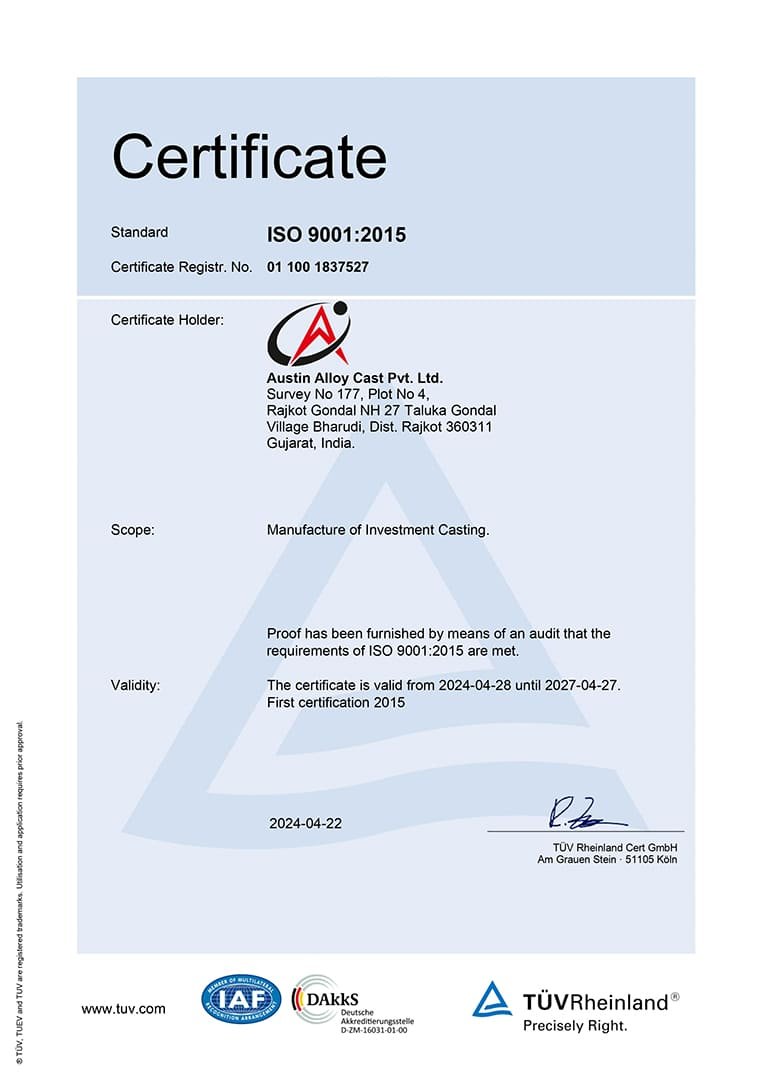
  • Our ISO 9001 scope includes the in house Machine Shop as well alongside the foundry infrastructure. This means that quality is maintained not only at the time of casting, but also at the time of machining, finishing, and inspection after casting.
  • Upgraded facilities: CNC machining, automated molding, in house testing.
  • Investment in sustainability: ISO 14001 helps an organization nurture the environment while also noticing its green minded customers.
  • An established safety culture among employees: ISO 45001 allows for worry free safety even in a historically hazardous workplace.
  • Industry based certifications API oil & gas, IATF automotive, AS9100 aerospace.

Conclusion

In the fast paced world of International Exporting of castings, certifications are the silent facilitators of success. Certifications provide assurance to buyers in terms of quality and safety, as well as help exporters create new markets with sustainable trust. Whether it be ISO 9001, ISO 45001, ASTM, or API; the world class manufacturers of castings have all set their goals in advancing along these standards and achieving certifications.

For Austin Alloy Cast, certifications are not merely a thing to check off, it is a representation of excellence, a pursuit of sustainability, and a commitment to their customers’ trust and assurance. As Indian foundries begin to follow global standards to obtain certifications, they are not merely exporting castings; they’re exporting trust, confidence, reliability, and world class manufacturing.

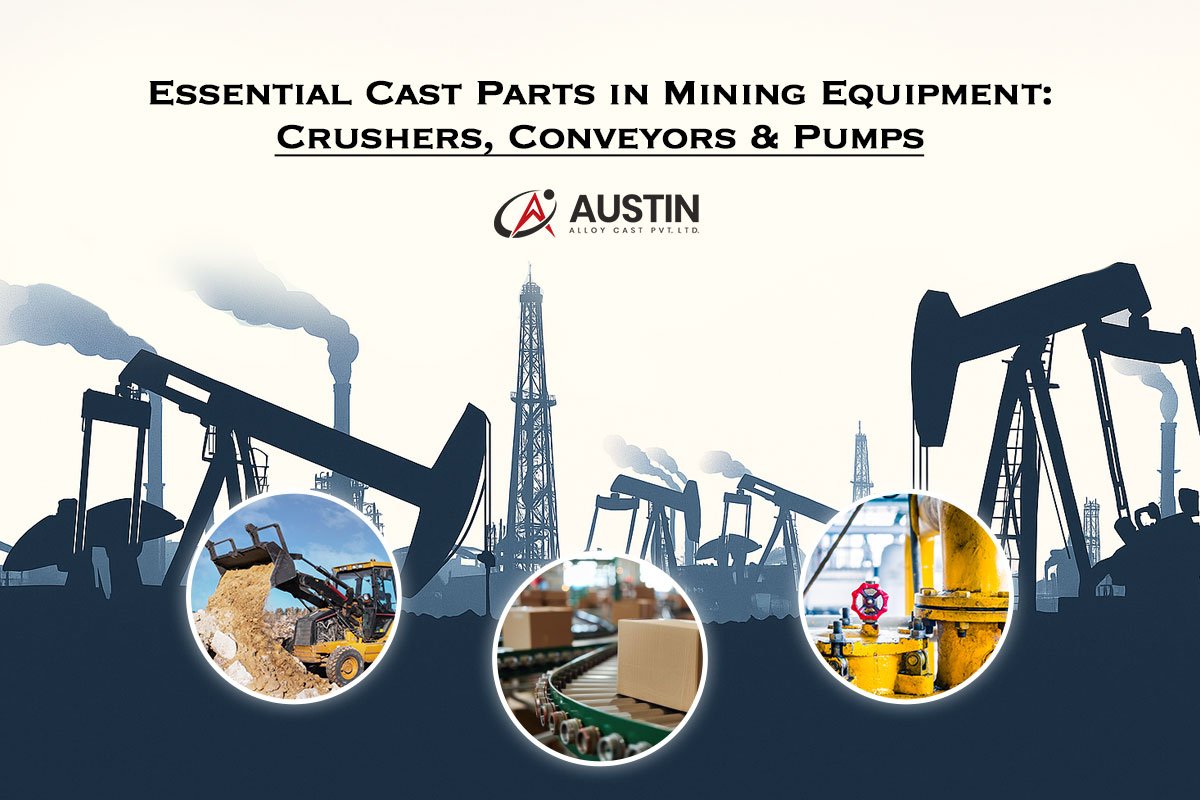
Top Cast Parts Used in Crushers, Pumps, and Conveyors in the Mining Industry

When it comes to equipment performance and component longevity, mining is one of the most demanding industries. There is heavy reliance on cast components for mining processes, from crushing the rock to transporting the ore with pumps and conveyors. Mining cast components inherently need to endure challenging conditions. Austin Alloy Cast is a specialist in the mining cast component industry and we deliver durability, accuracy and strength through designs developed to handle today’s mining challenges.

Difficult Conditions in Mining

The exacting environment of mining operations presents one of the most extreme environments for operating machinery and equipment with regards to the tolerances that equipment must endure. In addition to wear and tear on the castings, mining operations are also subject to a high degree of:

• Abrasive rock and mineral handling resulting in continual wear.
• Heavy impact during both crushing and grinding of ore.
• Corrosive environment from chemical exposure, water, and changing mineral characteristics.
• Persistently high loading, where production time is lost due to downtime.

To tackle these situations, castings and consumables must be both very precise and extremely durable. High quality cast components utilized in the mining industry is a vital aspect of sustaining profitable labour 24/7, minimizing maintenance impacts, and extending the sterilization of critical machines.

Heavy Duty Equipment Requiring Cast Components

Crushers, pumps, and conveyors used in mining equipment cannot function without heavy duty castings. Each of these units depends significantly on specialized parts:

Crushers: Need wear resisting liners, hammers, and housings.
Pumps: Rely on heavy impellers, casings, and bearing supports.
Conveyors: Utilize heavy rollers, pulley housings, and support brackets.
These high stress applications necessitate the need to invest in trustworthy crusher casting parts and pump & conveyor castings that ensure prolonged performance. Austin Alloy Cast has come up with solutions that meet these high stress environments, and our customers in the mining sector can rely on their equipment for consistent performance.

Examples of Cast Parts Utilized in Mining

Among the most important components of mining casts are:
Hammers & Crusher Liners: Key to crushing ore into smaller fragments. Alloy steel castings ensure they can resist high impact and abrasive forces.
Pump Housings & Impellers: Constructed to pump slurries, water, and chemicals with efficiency without quick wear and tear.
Conveyor Components: Including rollers, pulley housings, and brackets that are utilized for long distance ore transport.
All these cast components are specifically designed to be equal to the performance requirements of the mining industry. With crusher castings constructed for resistance to impact and pump & conveyor castings designed for wear resilience, Austin promotes optimal performance in all mining applications.

Alloy steel castings’ advantages in mining

When performing cast mining parts, material selection is essential. Alloy steel castings are popular in mining, because they offer a unique balance of strength, hardness and toughness. Alloy steels can be accurately designed with specific chemical compositions to be resistant to: impact, wear and corrosion compared to normal materials. As a result, they offer the best performing materials for all cast parts of conveyor systems, slurry pumps, and crushers.

Another major benefit of alloy steel castings is the versatility. There are several grades of alloy steel depending on operational needs grades of alloy steel can be utilized when high hardness is required, grades of alloy steel with increased ductility can be utilized, or grades of alloy steel that are heat resistant can be used. As an example, “high manganese” steel castings are utilized in crushers for frequent impact loading, “chromium alloyed” steels are selected for pump castings because of their good erosion and corrosion resistance.

Durability and Wear Resistance: The Most Important Requirements

Mining operators understand that downtime is costly. A lost hour of production can equal thousands, at times millions, in lost revenues. Because of this, mining cast parts need to have top priority for durability and wear resistance above all else.

Wear resistance allows crushers to continue crushing rocks without constant liner and hammer replacement. Durability allows pumps to transport abrasive slurries for extended cycles without erosion. And strength allows conveyors to run continuously without roller or housing failure. At Austin Alloy Cast, we engineer our castings with sophisticated metallurgical methods, precise control, and rigorous quality control to ensure that our parts prolong equipment life and minimize downtime for our customers.

The Rising Worldwide Demand for Cast Mining Parts

While worldwide demand for natural resources, metals, and minerals is on the increase, mining operations are expanding on a scale never seen before. Rising demand in developing economies for iron ore, copper, coal, rare earth minerals, and other minerals of strategic importance is driving demand upward. That increased mining activity leads, in turn, to an equally high level of demand for reliable machines and tough cast parts for mining industry.
With an increase in mines being opened in remote and unfriendly territories, the part played by trustworthy castings is more crucial than ever before. Equipment breakdowns in these areas are more challenging to repair due to poor accessibility, and therefore, it is imperative to utilize crusher casting parts, slurry pump castings, and pump & conveyor castings that are engineered for durability. Producers such as Austin Alloy Cast lead this demand, providing castings which not only conform to international specifications but also provide improved reliability in some of the worst mining conditions on the planet.

Conclusion

The mining industry depends on durability, efficiency, and continuous operation and all of those factors greatly depend on quality castings. There are crushers which require hammers, liners, and jaw plates, and pumps that depend on strong impellers and casings to keep operation constant, and there are conveyors that push mountains of material every day. Mining cast parts are the silent foundation of the industry, operating behind the scenes. Alloy steel castings provide an unparalleled combination of strength, wear protection and corrosion resistance, and that is why it is the best material for this industry.

At Austin Alloy Cast, we are proud to be able to support the mining industry with superior quality crusher cast parts, performance precision pump & conveyor castings, and other parts that help to extend life of machinery and minimize downtime. With the ever increasing demand of mining in the world today, we are committed to quality and innovation that will ensure our continued reliability for mining operations around the globe.

Sustainability in Foundries: Austin Alloy Cast’s Approach to Eco-Friendly Manufacturing

The global manufacturing landscape has an unparalleled challenge to find equitable solutions for high rates of industrial growth and providing an operating environment that respects the planet. The foundry industry is the most challenging. Austin Alloy Cast, as a  Sustainable casting manufacturer, understands that environmental responsibility and manufacturing excellence are not mutually exclusive disciplines, but they are a supported basis for long term success. Our holistic approach to sustainable manufacturing includes adopting renewable energy, minimizing waste, conserving resources, and optimizing manufacturing processes. All the while, Austin Alloy Cast provides a manufacturing model that complies with global sustainability agenda while providing the quality and economic competitiveness the customer expects.

The global manufacturing industry is going through a major transition in the pursuit of sustainability, as applied and measured to productivity and cost. Foundries, among the heaviest consumers of energy, are now evaluating their energy use for its effect on sustainability. In India, advanced thinking manufacturers are reimagining the way castings are produced, creating a benchmark for responsible production globally. Austin Alloy Cast is one company from India that has emerged as an example of foundry innovation, quality, and sustainability.

The sustainability journey of Austin Alloy Cast reflects our understanding that environmental leadership generates competitive differentiation in operational efficiencies, expense savings, customer value, and employee buy in. Our holistic approach considers every operational aspect of our business, from energy source and usage, waste management, and water consumption, allowing us to create a full sustainability program with tangible environmental and economic benefits.

Why Sustainability Matters in Foundries

Casting processes investment and sand casting can consume vast amounts of energy, use and waste raw materials, and cause harm to the environment. Casting processes must be managed carefully to avoid the following negative environmental impacts:

  • Greenhouse gas emissions from melting and pouring operations.
  • Water pollution from slurry and shell disposal.
  • Energy, consumed by inefficient furnaces.
  • Excessive use and depletion of raw materials.

Structural adjustment is affecting global customers who now must have green manufacturing partners who provide not only precision and dependability, but can also provide documentation toward acquiescence of International eco standards. Sustainability in foundries is now a business requirement, instead of an option.

For European countries, compliance with the EU’s Carbon Border Adjustment Mechanism (CBAM) has become a significant requirement for exporters. CBAM compliance will require exporters to demonstrate that their manufacturing practices are derived from sustainable, low emission processes to avoid incurring carbon related tariffs when exporting to Europe. By embracing sustainable practices, Austin Alloy Cast helps to ensure that it is compliant with international trade obligations and reinforce its export position in Europe

Eco-Friendly Casting Practices

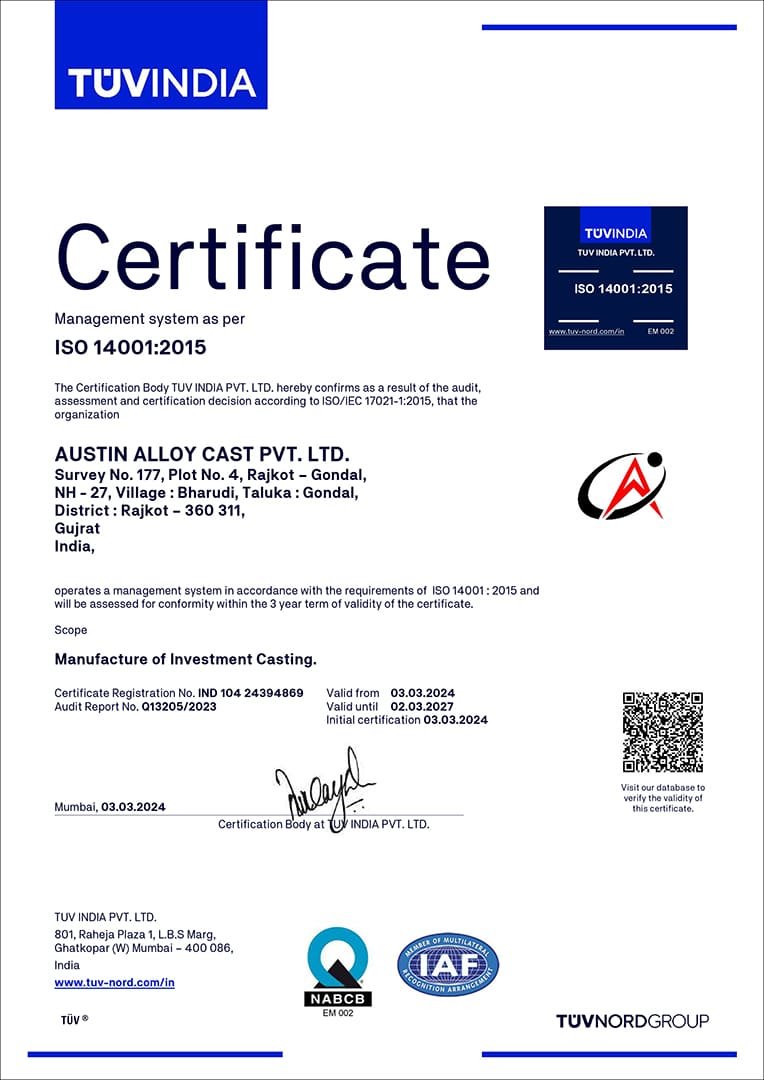
Austin Alloy Cast’s Environmental Management System (EMS) is ISO 14001 certified foundry providing the systematic framework for continual environmental performance improvement, compliance with regulatory requirements, and achievement of sustainability objectives and goals. This form of internationally recognized certification provides concrete evidence of our commitment to environmental performance enhancement while conveying a sense of assurance to customers that their supply chain partners share their sustainability objectives and values.

Austin Alloy Cast has recognized that foundries’ future lies in sustainability. Austin Alloy Casts has overtaken its environmental impact significantly through modern, sustainable processes and practices, while delivering superior castings to various industries.

Sustainability relates to more than just what is best for the environment; it pertains to the employee and their welfare, as well as ensuring workplace safety. As an ISO 45001 certified organization, Austin Alloy Cast is committed to providing a safe and healthy workplace, which exemplifies their commitment to sustainability. ISO 45001 certified organizations uphold global occupational health and safety standards, reducing their risk in the workplace and enhancing employee health and welfare.

Energy Efficient Melting Systems

In foundries, melting furnaces are the main energy consuming equipment. Austin has invested in new induction furnaces with high energy efficiency, accurate temperature control and minimal heat loss. This lowered electricity consumption and led to a consistent metallurgical quality.

1. Recycling and reuse of materials

The foundry has a rigorous recycling policy that involves reheating and reusing risers, gating systems, and metal scrap. This lowers both the raw material costs as well as the waste it generates. Shell materials and sand used in investment casting are also reused and reclaimed when possible which minimizes landfill usage.

2. Water Conservation Practices

In casting processes, water is essential, especially for cooling and shell construction.  Austin has implemented closed loop water systems and water treatment units, minimizing waste and protecting natural resource contamination.

3. Cleaner Air, Decrease Emissions

To deal with the air quality issue, Austin has installed fume extraction systems and air filtration units at its production facilities. By capturing dust, soot, and harmful gases, these systems safeguard both the workers and the emissions in the atmosphere.

4. Green Energy Initiatives

A number of trend setting foundries are now looking at incorporating and using renewable energy into their operations. To lessen its dependency on non renewable energy, Austin has begun utilizing energy tracking devices and solar energy.

Austin’s 1.5 MW solar photovoltaic facility generates a substantial portion of electricity demand, thus avoiding additional reliance in traditional energy. The energy efficiency measures also incorporated energy efficient lighting systems, smart monitoring devices, and better optimized furnace scheduling to further reduce energy intensity.

5. Sustainable Packaging and Logistics

Being sustainable isn’t just about how we manufacture it also is how we deliver. Austin is committed to eco friendly packaging materials as well as planning efficient logistics with as little wastage as possible while sending out products, so that we can be as sustainble as we can in the supply chain.

Quality and Sustainability Go Hand in Hand

Even more important than it being sustainable is that it is always quality. Austin employs rigorous destructive and non destructive testing on all castings to ensure components meet global standards for precision and performance. By blending process controls and eco-friendly manufacturing practices, the company is able to provide their clients assurance that they are receiving defect free castings that are sustainable and durable.

In today’s global economy, companies sourcing castings are beginning to place an increasing value on manufacturers who can prove responsible production. Austin’s sustainability action plans match to international standards and create an opportunity to enhance Austin’s competitive advantage in markets such as North America, Europe and the Middle East. By positioning Austin as an environmentally responsible foundry, this will not only result in winning work, but it will also create long standing trust with international partners.

Conclusion: Leading Sustainable Manufacturing

Austin Alloy Cast’s holistic approach to sustainability exemplifies how environmental stewardship and quality manufacturing create synergistic value for customers, employees, communities, and the environment. Our comprehensive sustainability programs incorporate all elements of our business while delivering measurable benefits towards environmental stewardship and business performance.

As a sustainability leader, Austin Alloy Cast is well positioned as a preferred partner for clients who appreciate suppliers with like minded environmental values and sustainability goals. The measurable environmental benefits of our sustainability programs allow customers to leverage evidence to support their own efforts for sustainability reporting and demonstrate tangible examples of environmental responsibility in their manufacturing operations.

The achievements of our sustainability initiatives offer a roadmap for transformation within industry showing the practical implications of being environmentally responsible while being largely competitive. Our commitment to sustainability leadership means Austin Alloy Cast will continue towards environmental performance while generating value for the benefit of all stakeholders in the global manufacturing ecosystem.

The movement to improve sustainability in foundries is still maturing, yet some leaders, such as Austin Alloy Cast Pvt. Ltd., have already begun the journey forward. With the expanding use of automation, circular practices for managing waste, and added renewable and regenerative energy, the future of casting in India is looking much greener.

The Importance of Non-Destructive Testing in Investment Castings

Quality and consistency are essential in investment casting since precision parts are utilized in high stakes applications across aerospace, defense, automotive, oil & gas, marine, and heavy engineering. A mishap with a casting, regardless of how minor, can result in significant downtime, dangerous risks, and system failure. Because of this, non-destructive testing (NDT) has been embraced by quality control processes in foundries such as Austin Alloy Cast.

Unlike destructive testing, that damages and destroys the sample in question to test its material properties, NDT allows the manufacturer to test the integrity of castings without any level of destruction. NDT offers the opportunity to assess quality, not only providing monetary savings but also ensuring that all components shipped can be guaranteed to meet the same performance standards.

Examples include turbine blades, pump parts, and medical implants. Investment castings have complex designs, thin sections, and close tolerances, all of which can sometimes lead to hidden defects such as porosity, shrinkage, inclusions, and cracks and lack to fusion. Detection of defects early using NDT for casting ensures that only clean castings go to the customer, and ultimately saves time, money, and reputation in the future.

Common Non Destructive Testing Methods in Investment Casting

Austin Alloy Cast employs a variety of cutting-edge non-destructive testing for Investment Casting :

  • Radiographic testing (RT), also referred to as X-ray testing, provides a trustworthy image of the casting’s internal structure and can reveal whether there are any inclusions, shrinkage cavities, or There is hidden porosity in the casting that is not visible from the outside.
  • Ultrasonic Testing (UT): This technique identifies major flaws in crucial aerospace and defense castings where greater integrity is needed by using high frequency sound waves to find subsurface discontinuities.
  • Magnetic Particle Inspection (MPI) is an NDT technique that finds surface and penetrating flaws in ferrous materials. During MPI, cracks and other discontinuities will be detected using magnetic fields and iron particles.
  • Dye Penetrant Inspection (DPI): A liquid penetrant agent is used to disclose defects and is utilized to identify surface-breaking defects.

The distinctions between bonded and non bonded areas appear visually different when viewed in UV or regular light.

Visual and Dimensional Inspections: Although these inspections are very basic, they are crucial for identifying overall casting accuracy because components are assessed in accordance with drawing specifications prior to the application of complex testing procedures.

With the greatest reliance on guarantees of the dependability of every investment casting, Austin is guaranteeing a multifaceted quality assurance program.

Advantages of NDT in Investment Castings

Non Destructive Testing brings many benefits to the investment casting process:

  • Assurance of Safety and Reliability – NDT assures total safety for industries such as aerospace and transportation, where the products can not fail.
  • Cost Effectiveness – Early detection of defects means we avoid cost for rework, materials lost as waste, and no field failures costs.
  • Builds Customer Confidence – When Austin provides castings that have been accurately tested, customers place their trust in Austin for long-term relationships.
  • Compliance with Industry Standards – NDT is one tool to help comply with stringent industry certifications associated with global markets.
  • Better Production Efficiency – by applying credible testing techniques, defected parts may be sorted out, prior to final machining and assembly.

Quality at Austin Alloy Cast is not a promise, it is a way of life. Our casting plant brings to bear the most modern principles of Non Destructive Testing at every stage of production. From sampling with free radiography to extensive inspections, we address process control and defect free casting at every level. This commitment to NDT allows us to not only deliver precision engineered castings, but also reinforce the vision of providing trusted componentry for global industry.

Through investment in state of the art testing equipment, highly skilled inspectors, and ongoing training, Austin has established itself as a reliable leader in the investment casting industry. Our capability to deliver fully machined, flawless castings of international standards is an indicator of the robustness of our NDT based quality assurance system.

Conclusion

In today’s competitive manufacturing environment, the importance of precision, reliability and safety constantly drives Non Destructive Testing in investment castings. Austin Alloy Cast is again leading the way, this time by bringing together NDT technologies with the best foundry expertise. Austin and its customers can now rely on defect-free, high-performance castings and Austin is a trusted friend to industries around the world.