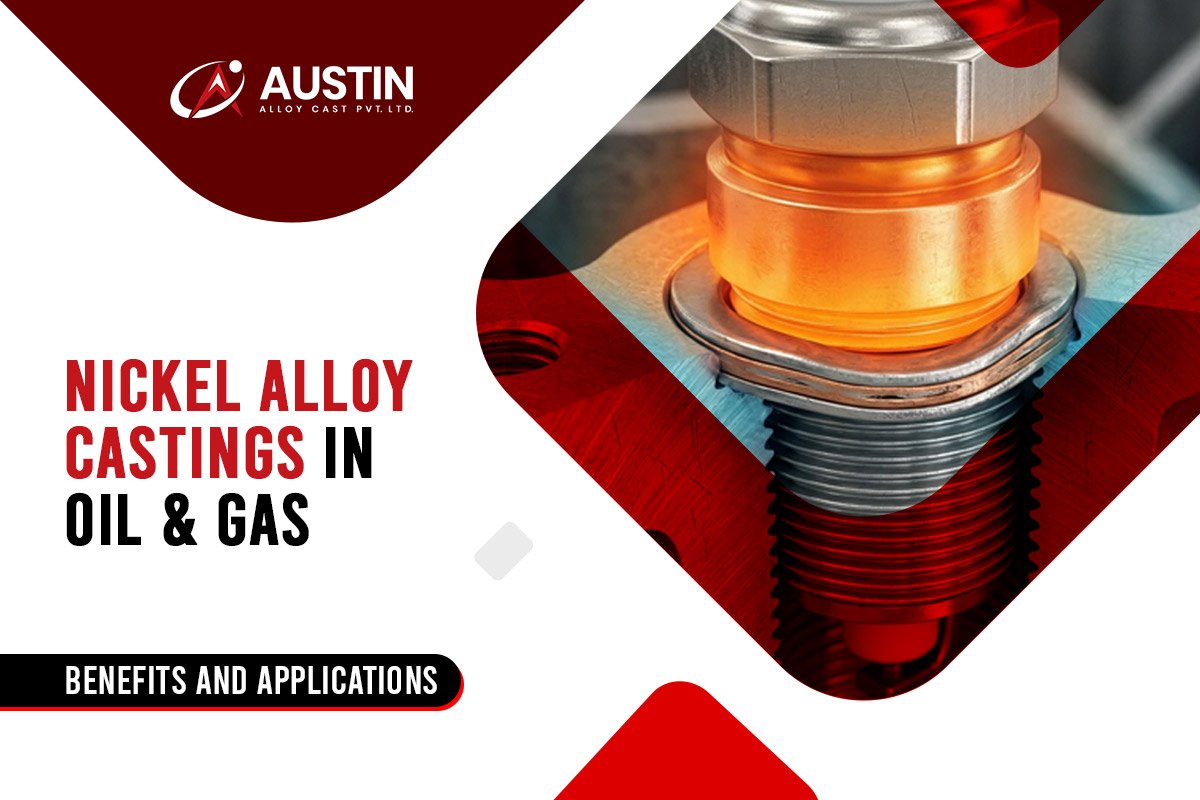
Nickel Alloy Castings in Oil & Gas: Benefits and Applications

Nickel Alloy

The oil and gas industry operates in some of the harshest environments in the world. Equipment is constantly exposed to high pressure, extreme temperatures, corrosive chemicals, seawater, and abrasive operating conditions. In such demanding applications, material selection becomes one of the most important factors influencing safety, reliability, and long term performance.

This is where Nickel Alloy Castings play a critical role. Known for their exceptional corrosion resistance, high temperature strength, and durability, nickel alloy castings are widely used in upstream, midstream, and downstream oil and gas operations.

At Austin Alloy Cast, we manufacture precision investment castings designed to meet the demanding performance requirements of industrial sectors, including oil and gas. Our expertise in nickel based alloys helps customers achieve reliable performance even in the most aggressive service conditions.

Why Nickel Alloy Castings Are Important in Oil & Gas

Oil and gas systems frequently operate under conditions that can quickly damage conventional materials. Components may encounter sour gas environments, hydrogen sulfide, chlorides, high pressure fluids, elevated temperatures, and continuous mechanical stress.

Nickel Alloy Castings are specifically valued because they offer:

  • Excellent corrosion resistance
  • High mechanical strength
  • Superior heat resistance
  • Resistance to oxidation and stress corrosion cracking
  • Long operational life in harsh environments

These properties make nickel alloys highly suitable for mission critical applications where failure is not an option. Industries rely on nickel alloy components to reduce maintenance, prevent downtime, and improve operational safety.

What Makes Nickel Alloys Different?

Nickel based alloys are engineered materials that combine nickel with elements such as chromium, molybdenum, iron, cobalt, and copper. These additions enhance the alloy’s resistance to corrosion, heat, and mechanical wear.

Common nickel alloys used in oil and gas applications include:

  • Inconel alloys
  • Monel alloys
  • Hastelloy alloys
  • Incoloy alloys

These materials are widely recognized for maintaining structural stability and mechanical performance under extreme operating conditions.

Corrosion Resistance in Aggressive Environments

One of the biggest advantages of Nickel Alloy Castings is their exceptional resistance to corrosion.

Oil and gas facilities often process corrosive substances such as hydrogen sulfide, carbon dioxide, chlorides, acids, and seawater. Standard steel components can deteriorate quickly in these conditions, leading to leaks, equipment damage, or costly shutdowns.

Nickel alloy castings help prevent:

  • Pitting corrosion
  • Crevice corrosion
  • Stress corrosion cracking
  • Oxidation damage
  • Sulfide attack

This makes them especially valuable for offshore platforms, subsea systems, refineries, and chemical processing units where corrosion resistance is essential for long term reliability.

High Strength at Elevated Temperatures

Oil and gas equipment frequently operates under extreme temperatures and pressure. Components used in drilling systems, heat exchangers, turbines, and refining equipment must maintain their strength even in high temperature environments.

Nickel Alloy Castings are designed to retain mechanical integrity under these demanding conditions. Unlike conventional materials that may weaken or deform under heat, nickel alloys maintain stability and structural performance.

This high temperature capability makes nickel alloy castings ideal for:

  • Downhole drilling equipment
  • Heat exchangers
  • Pressure vessels
  • Refinery systems
  • Gas processing units

Their ability to perform reliably under thermal stress contributes directly to equipment safety and operational efficiency.

Key Applications of Nickel Alloy Castings in Oil & Gas

Valves and Flow Control Components

Valves are among the most important components in oil and gas systems. They regulate fluid flow under high pressure and corrosive conditions.

Nickel Alloy Castings are commonly used in:

  • Ball valves
  • Gate valves
  • Butterfly valves
  • Check valves

Nickel alloys such as Inconel and Monel provide the corrosion resistance and mechanical strength needed for long term valve performance in offshore and refinery applications.

Pump Components and Impellers

Pumps in oil and gas facilities handle aggressive fluids, abrasive particles, and high pressure systems. Nickel alloy castings help improve the lifespan and reliability of:

  • Pump housings
  • Impellers
  • Casings
  • Wear resistant components

The superior resistance to corrosion and erosion helps pumps maintain performance even in highly demanding conditions.

Downhole Drilling Tools

Downhole tools face some of the harshest operating environments in the industry. Extreme pressure, elevated temperatures, and corrosive gases require materials capable of long term durability.

Nickel alloy castings are widely used for:

  • Drill tool components
  • Stabilizers
  • Connectors
  • Casing equipment

These materials resist stress corrosion cracking and maintain structural integrity in high pressure drilling environments.

Pipeline Fittings and Flanges

Pipelines transport crude oil, natural gas, and corrosive chemicals over long distances. Any failure in fittings or flanges can create serious operational and safety risks.

Nickel Alloy Castings are used in:

  • Pipe fittings
  • Flanges
  • Connectors
  • Couplings

Their resistance to seawater corrosion and chemical attack makes them highly suitable for offshore and subsea pipeline systems.

Heat Exchangers and Pressure Vessels

Heat exchangers and pressure vessels are critical in refining and processing operations. These systems operate under intense thermal and chemical exposure.

Nickel alloys such as Hastelloy and Inconel are widely used because they offer:

  • Excellent oxidation resistance
  • High temperature strength
  • Long term thermal stability

These characteristics help improve efficiency and reduce maintenance requirements in processing facilities.

Investment Casting Advantages for Nickel Alloys

Manufacturing nickel alloy components requires advanced casting expertise because these alloys have high melting temperatures and complex metallurgical properties.

The investment casting process offers several advantages for producing Nickel Alloy Castings:

  • Excellent dimensional accuracy
  • Complex geometries and thin wall capability
  • Improved surface finish
  • Reduced machining requirements
  • Better material utilization

Investment casting also allows manufacturers to produce intricate components as single piece castings, reducing assembly complexity and improving structural reliability.

Quality and Reliability Matter

In the oil and gas industry, component quality directly affects operational safety and performance. Even small casting defects can lead to equipment failure in critical applications.

At Austin Alloy Cast, quality assurance is an essential part of the manufacturing process. We utilize advanced inspection and testing methods, including non destructive testing, radiography, ultrasonic testing, and spectrometer analysis for nickel based alloys.

Our focus is on producing precision castings that meet strict industrial standards while delivering consistent quality and long term performance.

Conclusion

Nickel Alloy Castings have become essential in the oil and gas industry because they provide the strength, corrosion resistance, and reliability needed for extreme operating conditions. From valves and pumps to pipelines and drilling systems, these castings help industries maintain safety, reduce downtime, and improve operational efficiency.

As oil and gas operations continue to move into more demanding environments, the need for high performance nickel alloy components will only continue to grow.

At Austin Alloy Cast, we are committed to delivering precision engineered nickel alloy castings that support the evolving needs of the global oil and gas industry. With advanced manufacturing capabilities, strict quality control, and expertise in high performance alloys, we help customers build systems that perform reliably where it matters most.

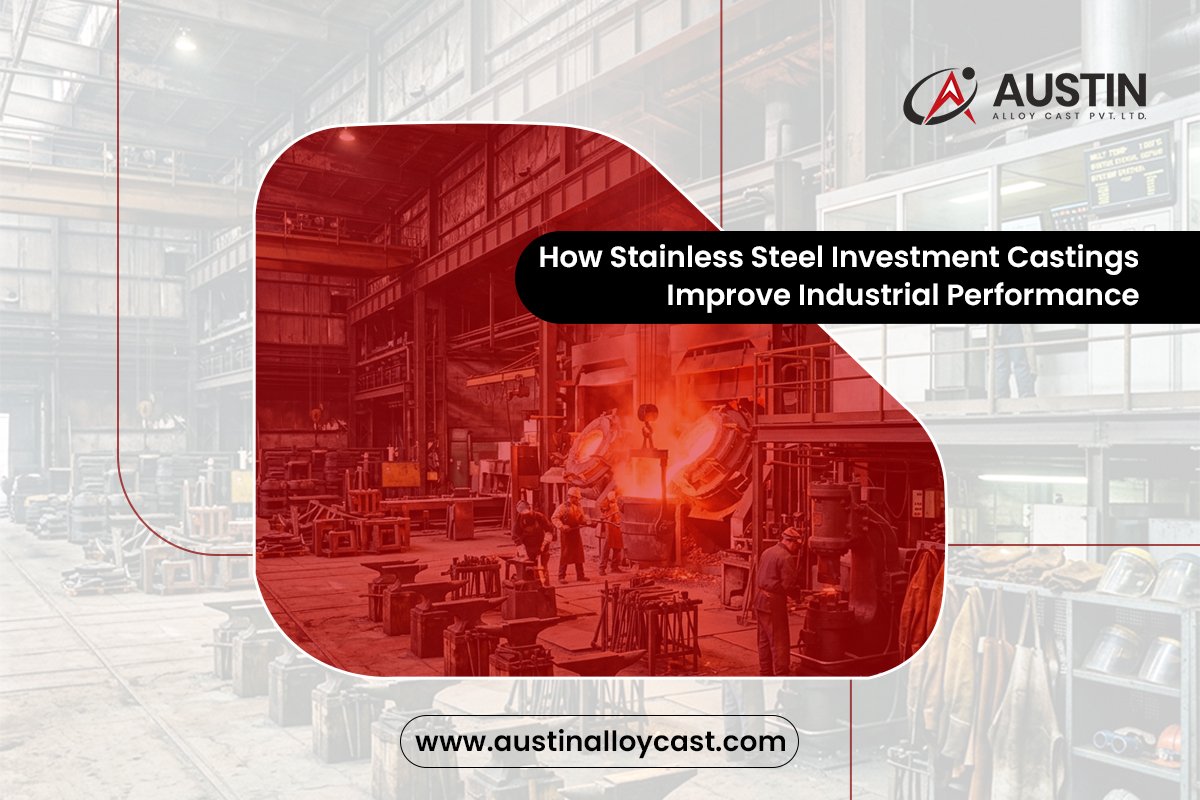
How Stainless Steel Investment Castings Improve Industrial Performance

Stainless Steel

In modern manufacturing, industrial performance depends not only on machine design but also on the quality of every individual component. Reliable equipment requires parts that can withstand pressure, resist corrosion, maintain dimensional accuracy, and operate consistently over long production cycles. This is why Stainless Steel Investment Castings continue to play an important role across industries that demand precision and durability.

At Austin Alloy Cast, we understand that industrial buyers need more than basic metal components. They require castings that improve efficiency, reduce maintenance issues, and support long term operational reliability. Stainless steel investment casting provides the combination of strength, accuracy, and performance needed for modern industrial applications.

What Are Stainless Steel Investment Castings?

Stainless Steel Investment Castings are produced using the lost wax casting process, a manufacturing method known for excellent dimensional accuracy and fine surface finish. In this process, a wax pattern is created in the exact shape of the final component. The pattern is coated with a ceramic shell, the wax is melted out, and molten stainless steel is poured into the cavity. Once the metal solidifies, the shell is removed to reveal a highly detailed casting.

This process is ideal for manufacturing complex components with intricate geometries, thin walls, and tight tolerances that are difficult to achieve through traditional machining or fabrication methods.

Precision Improves Operational Efficiency

One of the biggest advantages of Stainless Steel Investment Castings is precision. In industrial systems, even small dimensional inconsistencies can affect performance, causing vibration, leakage, alignment issues, or premature wear.

Investment casting helps manufacturers produce near net shape components with high dimensional accuracy and repeatability. This improves:

  • Assembly precision
  • Part to part consistency
  • Equipment reliability
  • Reduction in machining and rework

Accurate components fit better and function more efficiently, helping machinery operate smoothly over extended periods. This directly contributes to improved industrial productivity and reduced downtime.

Corrosion Resistance for Demanding Environments

Many industries operate in harsh environments where components are exposed to moisture, chemicals, high temperatures, or corrosive substances. In these conditions, material selection becomes critical.

Stainless steel is widely preferred because of its excellent corrosion and oxidation resistance. Stainless Steel Investment Castings are commonly used in:

  • Chemical processing plants
  • Food and beverage industries
  • Marine applications
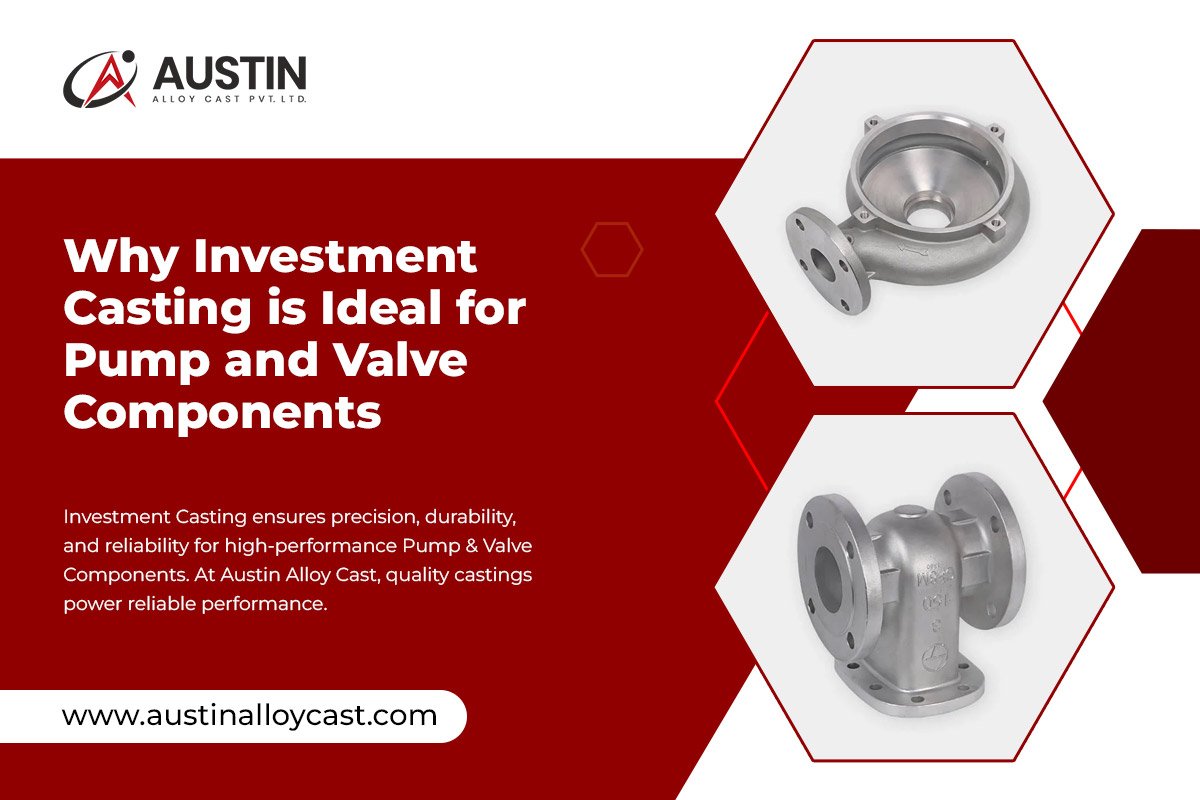
  • Pumps and valves
  • Oil and gas systems
  • Power generation equipment

Corrosion resistant components maintain structural integrity and functionality for longer periods, reducing replacement frequency and maintenance costs. Reliable performance in aggressive environments is one of the main reasons stainless steel investment castings remain a trusted industrial solution.

High Strength with Design Flexibility

Industrial components often face high pressure, repeated stress, and extreme operating conditions. Stainless steel offers the mechanical strength and toughness required for these demanding applications.

At the same time, the investment casting process allows manufacturers to create highly complex shapes that would be expensive or difficult to machine from solid metal. This design flexibility makes it possible to manufacture:

  • Valve bodies
  • Pump components
  • Impellers
  • Couplings
  • Brackets
  • Precision machinery parts
  • Flow control components

Instead of assembling multiple fabricated pieces, manufacturers can often produce a single integrated casting. Fewer joints and welded sections mean better structural integrity, improved durability, and lower risk of mechanical failure.

Reduced Machining and Material Waste

Another major advantage of Stainless Steel Investment Castings is reduced post processing. Since investment casting produces parts very close to final dimensions, less material must be removed during machining.

This results in several production benefits:

  • Lower machining time
  • Reduced material waste
  • Faster manufacturing cycles
  • Better cost efficiency
  • Reduced energy consumption

For industrial manufacturers, near net shape production improves overall workflow efficiency while helping control production costs without compromising component quality.

Better Surface Finish Enhances Performance

Surface finish is an important factor in industrial applications. A smoother casting surface can improve both functionality and appearance.

High quality Stainless Steel Investment Castings provide refined surface finishes that help:

  • Reduce friction in moving systems
  • Improve fluid flow in pumps and valves
  • Minimize contamination buildup
  • Reduce additional finishing operations
  • Enhance sealing performance

In industries such as food processing, pharmaceuticals, and fluid handling, clean and smooth surfaces are especially important for maintaining operational standards and system efficiency.

Consistency Supports Reliability and Uptime

Industrial operations rely heavily on consistency. Variations between components can lead to assembly issues, maintenance problems, or unexpected equipment failure.

Investment casting offers excellent repeatability across production runs. Consistent castings help manufacturers maintain standardized quality and predictable performance.

This consistency improves:

  • Equipment reliability
  • Maintenance planning
  • Inventory management
  • Production stability
  • Overall plant uptime

For OEMs and industrial buyers, dependable component quality is essential for long term operational success.

Applications Across Multiple Industries

Because of their balance of strength, corrosion resistance, precision, and cost efficiency, Stainless Steel Investment Castings are used in a wide range of industries.

Common applications include:

  • Pump and valve components
  • Food processing equipment
  • Marine hardware
  • Engineering machinery parts
  • Construction hardware
  • Automotive components
  • Industrial flow control systems

These castings are especially valuable in applications where dimensional accuracy, durability, and long service life are critical.

The Importance of the Right Casting Partner

The quality of an investment casting depends not only on the process itself but also on the expertise behind it. Tooling precision, material selection, process control, and inspection standards all influence the final performance of the component.

At Austin Alloy Cast, we focus on manufacturing Stainless Steel Investment Castings that meet real industrial requirements. From complex geometries to demanding operating environments, every casting is produced with attention to quality, consistency, and long term performance.

Choosing the right casting partner helps manufacturers reduce operational risks, improve product quality, and achieve better overall value from their components.

Conclusion

Stainless Steel Investment Castings improve industrial performance by combining precision, corrosion resistance, strength, repeatability, and manufacturing efficiency. These advantages help industries build equipment that performs reliably, lasts longer, and requires less maintenance.

As industries continue demanding higher efficiency and durability, stainless steel investment casting remains one of the most practical and reliable manufacturing solutions available.

At Austin Alloy Cast, we believe that better castings contribute directly to better industrial performance. High quality components do more than complete an assembly, they improve the performance of the entire system.