The Importance of Non-Destructive Testing in Investment Castings

Quality and consistency are essential in investment casting since precision parts are utilized in high stakes applications across aerospace, defense, automotive, oil & gas, marine, and heavy engineering. A mishap with a casting, regardless of how minor, can result in significant downtime, dangerous risks, and system failure. Because of this, non-destructive testing (NDT) has been embraced by quality control processes in foundries such as Austin Alloy Cast.

Unlike destructive testing, that damages and destroys the sample in question to test its material properties, NDT allows the manufacturer to test the integrity of castings without any level of destruction. NDT offers the opportunity to assess quality, not only providing monetary savings but also ensuring that all components shipped can be guaranteed to meet the same performance standards.

Examples include turbine blades, pump parts, and medical implants. Investment castings have complex designs, thin sections, and close tolerances, all of which can sometimes lead to hidden defects such as porosity, shrinkage, inclusions, and cracks and lack to fusion. Detection of defects early using NDT for casting ensures that only clean castings go to the customer, and ultimately saves time, money, and reputation in the future.

Common Non Destructive Testing Methods in Investment Casting

Austin Alloy Cast employs a variety of cutting-edge non-destructive testing for Investment Casting :

  • Radiographic testing (RT), also referred to as X-ray testing, provides a trustworthy image of the casting’s internal structure and can reveal whether there are any inclusions, shrinkage cavities, or There is hidden porosity in the casting that is not visible from the outside.
  • Ultrasonic Testing (UT): This technique identifies major flaws in crucial aerospace and defense castings where greater integrity is needed by using high frequency sound waves to find subsurface discontinuities.
  • Magnetic Particle Inspection (MPI) is an NDT technique that finds surface and penetrating flaws in ferrous materials. During MPI, cracks and other discontinuities will be detected using magnetic fields and iron particles.
  • Dye Penetrant Inspection (DPI): A liquid penetrant agent is used to disclose defects and is utilized to identify surface-breaking defects.

The distinctions between bonded and non bonded areas appear visually different when viewed in UV or regular light.

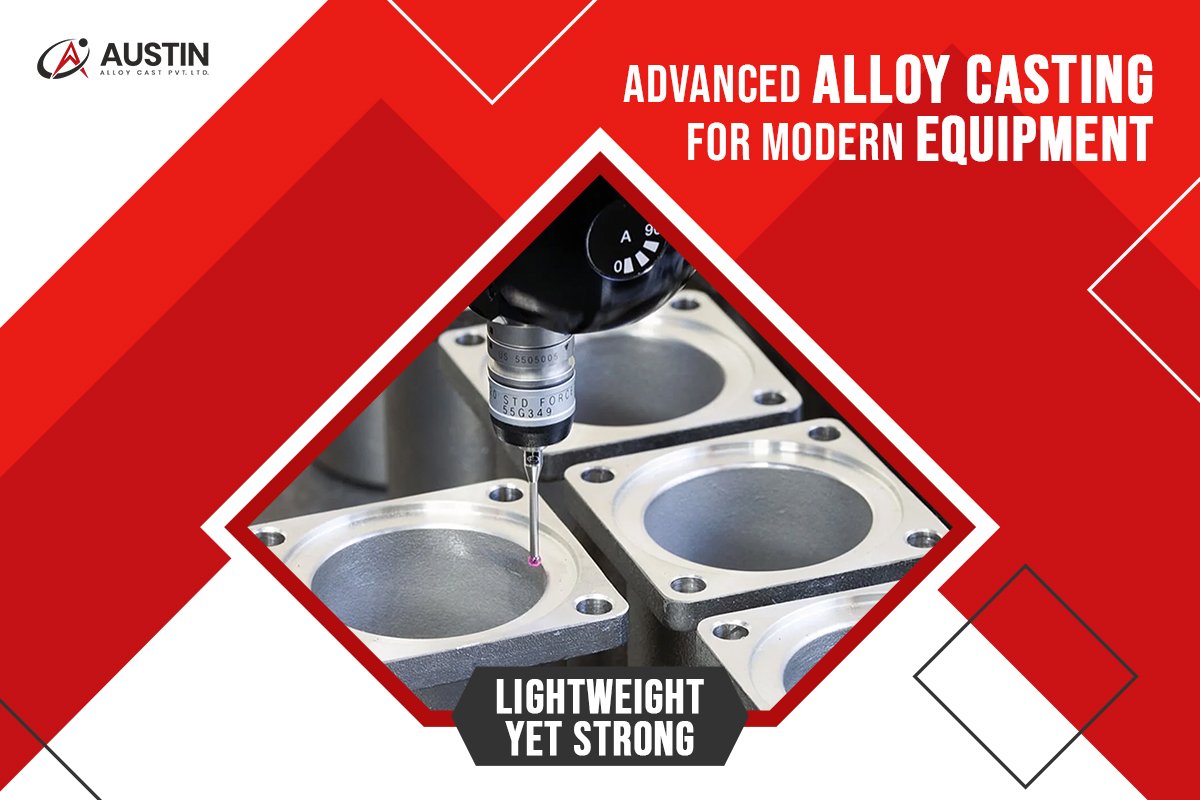
Visual and Dimensional Inspections: Although these inspections are very basic, they are crucial for identifying overall casting accuracy because components are assessed in accordance with drawing specifications prior to the application of complex testing procedures.

With the greatest reliance on guarantees of the dependability of every investment casting, Austin is guaranteeing a multifaceted quality assurance program.

Advantages of NDT in Investment Castings

Non Destructive Testing brings many benefits to the investment casting process:

  • Assurance of Safety and Reliability – NDT assures total safety for industries such as aerospace and transportation, where the products can not fail.
  • Cost Effectiveness – Early detection of defects means we avoid cost for rework, materials lost as waste, and no field failures costs.
  • Builds Customer Confidence – When Austin provides castings that have been accurately tested, customers place their trust in Austin for long-term relationships.
  • Compliance with Industry Standards – NDT is one tool to help comply with stringent industry certifications associated with global markets.
  • Better Production Efficiency – by applying credible testing techniques, defected parts may be sorted out, prior to final machining and assembly.

Quality at Austin Alloy Cast is not a promise, it is a way of life. Our casting plant brings to bear the most modern principles of Non Destructive Testing at every stage of production. From sampling with free radiography to extensive inspections, we address process control and defect free casting at every level. This commitment to NDT allows us to not only deliver precision engineered castings, but also reinforce the vision of providing trusted componentry for global industry.

Through investment in state of the art testing equipment, highly skilled inspectors, and ongoing training, Austin has established itself as a reliable leader in the investment casting industry. Our capability to deliver fully machined, flawless castings of international standards is an indicator of the robustness of our NDT based quality assurance system.

Conclusion

In today’s competitive manufacturing environment, the importance of precision, reliability and safety constantly drives Non Destructive Testing in investment castings. Austin Alloy Cast is again leading the way, this time by bringing together NDT technologies with the best foundry expertise. Austin and its customers can now rely on defect-free, high-performance castings and Austin is a trusted friend to industries around the world.

How Indian Investment Casting Manufacturers Are Adopting Advanced Technologies

The Indian investment casting sector is at the forefront of a technological revolution that could change the landscape of manufacturing excellence and global competitiveness. As the second largest producer of casting in the world, with more than 12 million tonnes of casting produced every year, the foundry sector is committed to embracing Industry 4.0 technologies, automation, and digital transformation initiatives that have positioned India as a leader in advanced manufacturing. This transformation is not just the installation of the latest equipment on the shop floor, but rather a complete reimagining of how precision casting operations leverage technology, data, and human experience to attain previously unattainable levels of effectiveness, quality, and customer value.

The manufacturing situation around the world is shifting at a rapid pace, and Indian investment casting manufacturers are no different. With a growing world wide demand for precision engineered components, Indian foundries and their management have been compelled to invest in new technology and innovations to keep pace with the market. The investment casting industry in India has evolved from conventional setups, to highly automated, digitally enabled companies, with capabilities to produce world class castings. Organizations like Austin Alloy Cast Pvt. Ltd. have helped raise the bar of quality, innovation and technological adoption.

Over the last two decades, the Indian Manufacturing sector has undergone an unmatched transformation. Investment casting, a craft formerly called the lost wax process, has risen up as one of the most innovative and competitive sectors. Investment casting has been the backbone of precision component production, serving high value industries such as automotive, aerospace, oil & gas, defense, and heavy machinery. Today, Indian investment casting manufacturers are not only matching global demand; they are surpassing the level of innovation and competitiveness demonstrated in world markets by continuously fostering advanced technologies engaged in production systems.

The convergence of artificial intelligence, the Internet of Things (IoT), robotics, and advanced materials science brings possibilities of accuracy, consistency and innovation that were unfathomable only 10 years ago. There are companies across India’s foundry clusters from Rajkot and Coimbatore to Pune and Chennai, that are making huge investments into these technologies because their customers ask for it and they face competitive pressure, while they realize that technological leadership equates to success in the market.

3D Printing and Rapid Prototyping: The Game Changers

3D printing wax patterns is one of the most significant advancements in investment casting. Manufacturers now have the ability to create complex patterns entirely through 3D printing rather than wax injection dies. This has decreased tooling expenses significantly, decreased lead time from weeks to days, and increased development iterations.

Foundries in India have adopted 3D printing and are seeing the benefits of shorter lead times, increased design flexibility, and the flexibility to serve clients with low volume specialized work, which is often a requirement internationally. Austin and other leading edge casting producers are also using 3D printing service providers to prototype components for assurance as well as for the final production of complex parts where tooling costs would not be justified.

Simulation and Digital Twin Technology

With modern casting simulation software, foundries can develop a digital twin of the entire casting process. This means metallurgists can predict filling sequences, cooling and solidification rates, and even the locations of potential hot spots within the casting using sophisticated simulation software. For industries where zero defect casting is paramount defense, medical device development, or aerospace the predictability from this modeling provides confidence and trust in Indian suppliers.

Digital twin technology develops digital twins that represent a physical foundry’s operations, which can be visualized, simulated, optimized, or analyzed without impacting the live production process. These digital representations combine real time data from the state of operations with computational models to project performance, simulate scenarios, and optimize operations. Foundries can use digital twins to assess new products, optimize layouts, and train operators without impacting the production process or wasting materials.

Companies like Austin are embracing digital tools like inspection methods in order to guarantee defect free castings, right from the sampling stage, as an example. Austin even offers free radiography testing for all castings in sampling to validate the results of the simulation as well as the simulation accuracy; offering even more trust to customers around the globe.

Automation and Robotics in Foundries

Another milestone in India’s investment casting makers are the use of robotic shell making lines and automated pouring systems. Robotic arms are now replacing the manual dipping and coating and offer not only consistency and uniform layer thickness but also replicability. Automated pouring systems can be controlled with temperature sensors implementing precision control that improves the metallurgical quality.

The use of robotics in Indian investment casting operations advances precision, consistency, and safety and solves existing problems while also creating new opportunities. Robotic applications cover the entire casting process, from pattern handling and mold coating to finishing operations and quality inspection, and offer advantages that go far beyond just replacing labor.

These advancements eliminate or lessen the dependency on manual labor make it also solving the issues with high temperatures when pouring metal. Austin says that automation while allowing a company to scale productions, importantly, and not lose their ability to comply with international standards.

Sustainable and Eco Friendly Practices

Technology adoption in Indian investment casting is not only about efficiency; it’s about sustainability as well. Foundries are implementing energy efficient induction furnaces, recyclable shell materials, and water treatment systems to help reduce their impact on the environment. Suppliers are enhancing their products and aligning with international environmental standards, especially as global customers move to products made using green manufacturing processes.

Integrating renewable energy, part of which includes solar energy, wind energy, and energy storage systems, not only reduces carbon footprints, but offers long term cost advantages. Austin Alloy Cast has realized noteworthy potential savings through utilizing solar power for 50 60% of its production, and, in doing so, demonstrates the real world advantages of adopting renewable energy. All of these investments are putting stable energy costs into place, while allowing for corporate sustainability initiatives and meeting customer environmental requests.

Austin Alloy Cast Pvt. Ltd. has made improvements in its various processes that minimizes waste, optimize energy use, and carry out operations to meet the environmental obligations and requirements in the modern global marketplace. This focus allows Austin to compete with global suppliers, where complying with environmental standards can be as important as the cost and quality of a product.

Conclusion: Leading the Global Transformation

The investment casting manufacturers in India were able to land from a low cost supplier to a precision partner on the world stage with advanced technology. After performing Industry 4.0 practices, processes using automation, 3D printed technology, and supporting simulations in casting process control, Indian foundries now have the ability to compete with the best in the world.

Buyers would benefit aligning with quality, defect free castings with manufacturers like Austin Alloy Cast Pvt.Ltd as a partner. Austin consistently produces casting projects with accuracy and dependability for long term performance by fusing traditional casting techniques with modern innovation.

The Science behind Defect-Free Castings: How We Ensure Quality Every Time

Precision and reliability are paramount in modern engineering. Regardless of whether it is defect free castings for critical components in the oil & gas industry, heavy equipment, or marine applications, the need for defect free castings has never been more important.

At Austin Alloy Cast Pvt. Ltd. we are proud to produce castings with a constant emphasis on excellence, while meeting and exceeding global quality standards. We use a scientific approach to casting production and we assure you that every component is not manufactured but instead engineered for precision and reliability.

To achieve defect free internal and external castings we offer extensive in house destructive and non destructive testing (NDT) methods, all of which provide comprehensive information about the structural integrity of every casting prior to the next operation.

  • Destructive Testing – We can determine an in depth understanding of material performance by examining tensile strength, impact resistance, hardness, and microstructure while also confirming the metallurgical soundness of each batch.
  • Non Destructive Testing (NDT) – non destructive testing in castings is any tester like ultrasonic, dye penetrant, magnetic particle inspection, etc. are used to find surface or subsurface discontinuities without damaging the part.
  • Free Radiography Testing at Sampling – To improve our confidence in our process, Austin also provides radiographic inspection at the sampling phase, free of charge. Thus, satisfactory internal soundness is confirmed before commencing full production runs.
Process Control at Every Stage

Defect free castings are not a coincidence but a matter of proper process control at each step in the process. Every stage, from the purchase of raw materials to the ultimate delivery, is handled efficiently.

  • Pattern and Wax Model Control: The first thing we control it is essential to produce wax models that are dimensionally correct and defect free to be able to even begin the casting process.
  • Shell Building and Mold Control: The quality of ceramic shells is checked for any cracks or weakness as we use melted metal.
  • Melting and Pouring Control: Metallurgical controls continue with pouring, we continually check controls such as accuracy of temperature and alloys in each pour. No tolerance for heat inclusions, shrinkage or porosity.
  • Solidification Control: Finally we keep the properties of the casting on track by monitoring the cooling rates and feeding systems also using scientific method principles. Attaining uniform results means controlling internal stresses.

Ultimately, with all of these checks put in place, every casting moves on it only when it has passed through critical check points with strict parameters. This is what assures they each consistently accurate, reliable and repeatable changed remains in this area.

Fully Machined Supply

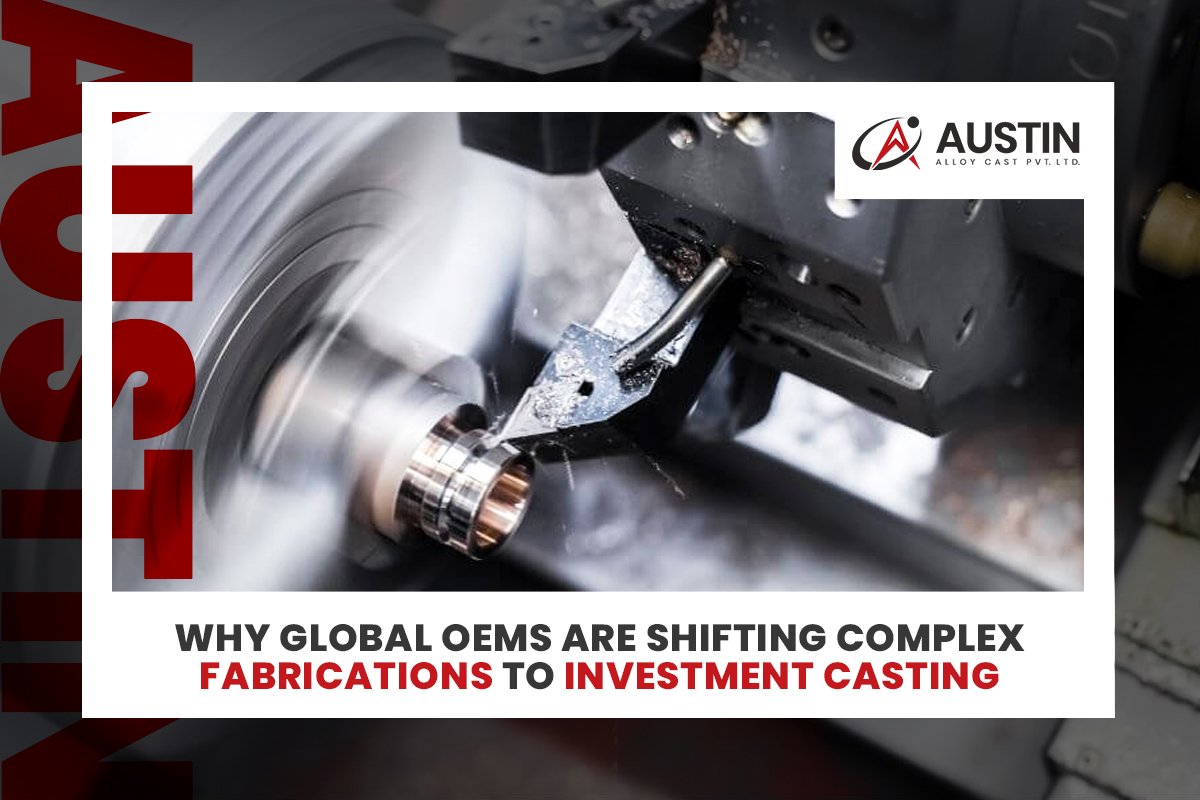
A significant number of customers require not just near net shape castings but fully prepared for direct use. To meet that requirement, we provide fully machined supply; we provide parts that have been machined using the precision of CNC machining to exact tolerances.

This eliminates the customer’s need to outsource additional post process which will save both time and cost. Fully machined, castings go through final inspection to ensure dimensional accuracy, surface finish, and ability to assemble. This approach ensures that potential errors during the third party process are avoided, delivering exact components and enabling the delivery of ready to fit components.

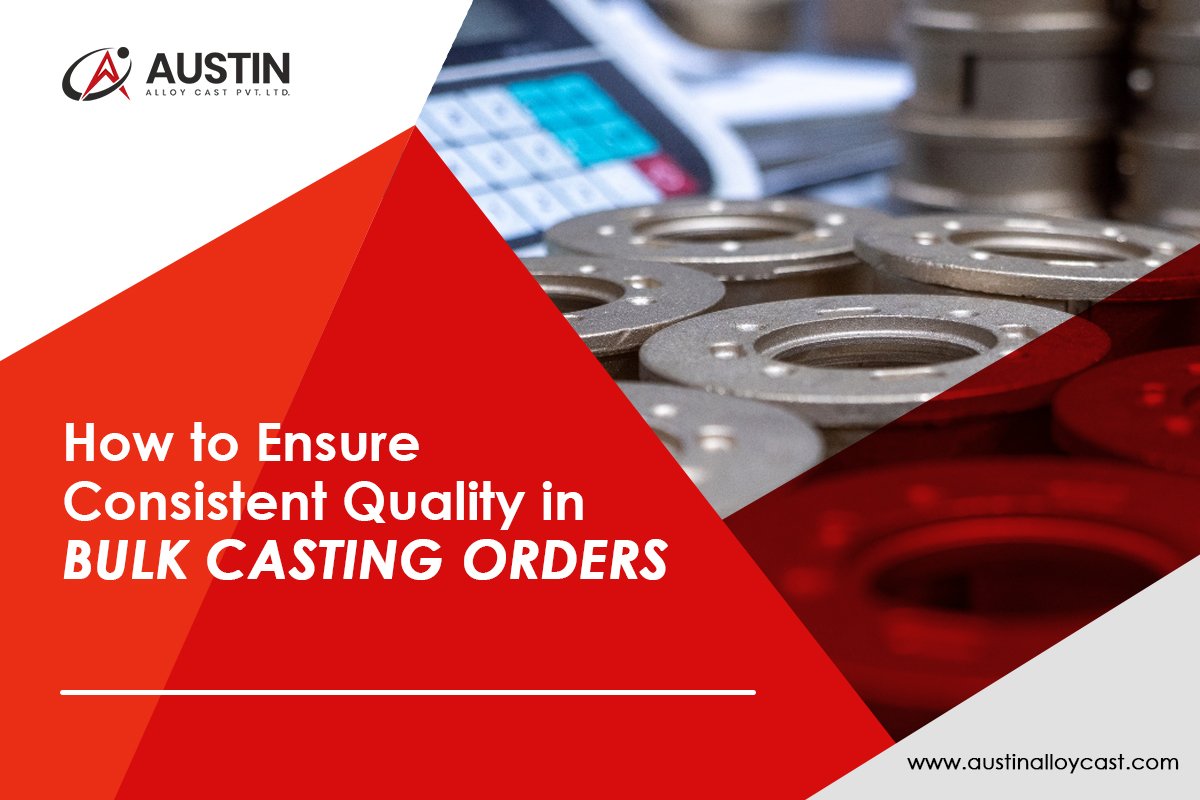
Consistency distinguishes true defect free castings from a single perfect part. A part that is flawless on its own is not enough industries such as defense, marine, automotive, and oil and gas require repeatability in large quantities. With the combination of advanced testing, rigid process controls, and precision machining, we provide the same exceptional quality, consistently.

Conclusion

Defect free castings are a result of science, discipline, and dedication to detail. With robust testing facilities, radiography support, strict process control, and fully machined supply, Austin Alloy Cast Pvt. Ltd. has earned its reputation for components that perform under the most rigorous conditions.

When quality cannot be compromised, the science behind our castings ensures that every product stands as a guarantee of strength, precision, and trust.

Common Alloys Used in Lost Wax Casting and Their Applications

Lost wax casting, or investment casting, is a precision manufacturing process used to produce finished metal components with complex details, precise tolerances, and high surface finishes. The second reason why this process is still being used so broadly across industries is due to its versatility with a vast range of metal alloys since each one is chosen based on the final application’s requirements.

In Austin Alloy Cast Pvt. Ltd., a reputed name in precision castings, the selection of the alloy is an essential aspect of engineering. Depending on the requirement of the end application, if corrosion resistance, high strength, or heat stability is required, Austin employs the requisite alloy to deliver maximum performance under real conditions. The following is a complete overview of most popular alloys used in lost wax casting and where each is best employed.

Nickel Based Alloy

Excellent resistance to heat, oxidation, and corrosion is a characteristic of alloys based on nickel. These qualities make them perfect for parts operating in harsh conditions, such as high temperatures, high pressures, and chemically reactive settings.

Applications include parts for power generation, gas turbines, valves, and chemical processing. At Austin, nickel-based alloys are frequently utilized for oil and gas industry components, especially in subsea and offshore machinery where failure is not an option. Long service life due to their durability reduces maintenance and expensive unscheduled downtime.

Stainless Steel Alloys

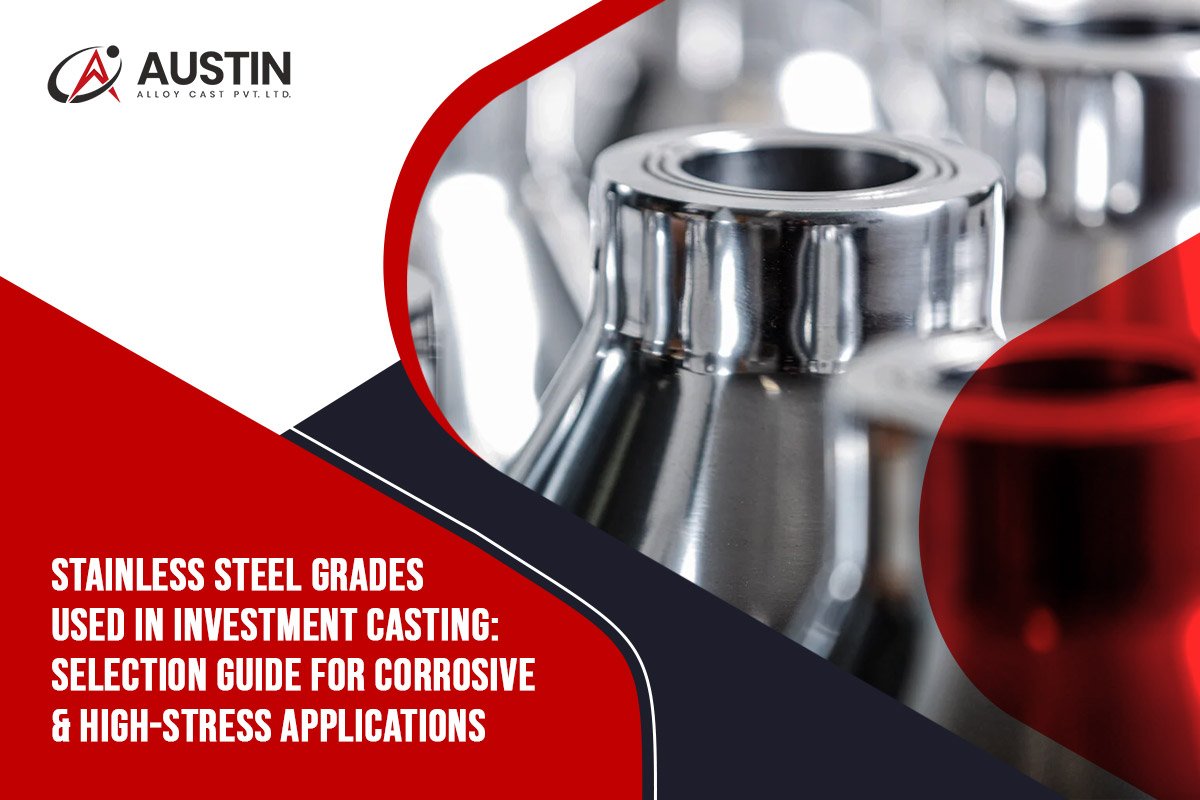
Stainless Steel Alloys Because of its strength, resistance to corrosion, and attractive surface finish, stainless steel is the most adaptable alloy for investment castings. Additionally, it comes in a variety of grades, such as duplex, martensitic, and austenitic, each of which was created for a particular performance application.

Austin Alloy Cast Pvt. Ltd. frequently chooses stainless steel castings for robotic systems, industrial automation, marine components, medical equipment, and food processing machines. The synergy of cleanliness, strength, and resistance to environmental conditions renders stainless steel a preferred alloy in performance and cleanliness requiring industries.

Carbon Steel Alloys

Compared to stainless or nickel alloys, carbon steel provides superior wear resistance and strength for a significantly lower cost. Carbon steel is typically used for structural parts, support brackets, gears, and other parts expected to receive high mechanical loads and abusive use.

In Austin style companies, carbon steel continues to be a material of preference for mining and earth moving machinery, and construction grade castings. Since carbon steel can be heat treated and made harder and stronger, Austin can supply parts that are durable and made for severe operating conditions such as impact and abrasive wear.

Applications Across Key Industries

Lost wax cast components made of these alloys find application in many industries:

Industrial Machinery & Robotics:

Precision and material behavior reproducibility is needed for materials like arms, joints, and bases. Alloys made of nickel and stainless steel offer equivalent strength and resistance to corrosion.

Oil and Gas Industry:

Nickel and duplex stainless steel valves, pumps, impellers, and flanges need to be exposed to harsh corrosive and high pressure environments.

Earth-Moving Equipment:

Carbon steel parts are a must in this use because of their resistance to impact and high load carrying capability. Investment casting offers accurate dimensional precision and replicability, which is critical in heavy equipment.

Each application demands a careful match between alloy properties and operational requirements. At Austin Alloy Cast, experienced engineers and metallurgists collaborate to ensure the best material is selected, leading to better performance, longer service life, and reduced total cost of ownership for clients.

Conclusion

Lost wax casting has a strong materials science foundation. From corrosion resistant stainless steels to ultra hard carbon steels and high performance nickel alloys, the metal selected directly affects the strength, life, and safety of the component.

Austin Alloy Cast Pvt. Ltd. is still a reliable partner to industries that need customized casting solutions. With the harmony of alloy expertise and the most advanced casting technology, Austin addresses the evolving demands of industries like oil & gas, automation, heavy machinery, and others, offering components that satisfy the highest standard of quality and performance demands.

Applications of Nickel Alloy Castings in the Oil & Gas Industry

Oil and gas is the pillar of global energy production and demands components that operate under extreme conditions like high pressure, corrosive environments, and high temperatures. Austin Alloy Cast Pvt. Ltd. excels at supplying precision-cast Nickel Alloy Castings to fulfil the unique demands of this mission-critical sector. With our state-of-the-art facilities and investment casting solutions, we provide reliable, high-performance components specifically made for the oil and gas sector.

Why Nickel Alloy Castings Are Essential for Oil & Gas?

Nickel-based alloys have excellent properties of corrosion resistance, to radiate heat, and mechanical strength. All these characteristics render them ideal for the harsh operating conditions that characterize oil and gas production, exploration, and refining. Right Boring from upstream drilling to downstream refining, Nickel Alloy Castings provide excellent performance and durability, cutting maintenance expenses and downtime. In Austin Alloy Cast, we apply our expertise in casting alloys such as Inconel, Monel, and Hastelloy in producing parts that perform superior to these harsh conditions.

1. Isolation and Flow Control Valves

Valves are an important component of oil and gas processes, managing the flow of fluids in high pressure and corrosive conditions. Nickel Alloy Castings are employed to produce ball valves, gate valves, and butterfly valves and check valves due to their corrosion resistance from aggressive media such as sour gas, seawater and acid chemicals. For instance, ball valves constructed of nickel based alloys such as Inconel or Monel ensure long term reliability in pipeline flow control in refineries, offshore platforms etc.

Types of Valves:

  • Butterfly Valve

A butterfly valve regulates the flow of fluid with the help of a revolving disc. Turning the disc either blocks, partially opens, or permits full flow.
Use: Perfect for big pipes and systems that need to be shut off quickly.
Common in: Chemical processing, HVAC, and water treatment.

  • Ball Valve

A circular ball with a small opening through it is called a ball valve. Fluid flows when it is aligned with the pipe; flow stops when it is turned 90 degrees.
Use: Secure sealing, swiftly shut down.
Common in: water supply, chemicals, and oil and gas.

  • Pressure relief Valve

In order to prevent damage or explosion, this valve automatically releases pressure from a system when it reaches a pre-determined limit.
Use: The excessive pressure protection safety device.
Common in pipelines, compressors, and boilers.

  • Check Valve

Check valves ends backflow and enable only one direction to flow. It doesn’t require human control to function.
Use: Prevents equipment and pumps from witnessing reverse flow.
Common in: The industrial pumps, fuel platforms, and waterlines.

  • Plug Valve

A plug valve manages flow through the help of a conical or cylindrical plug. The plug can be turned to control flow or entirely block it.
Use: Low-pressure systems with basic on/off control.
An example: Chemical industries, oil pipelines, and gas lines.

  • Globe Valve

A globe valve reduces flow with a movable disc. With a higher pressure drop, it gives accurate flow control.
Use: Control flow instead of merely cutting it off.
Common in process plants, cooling systems, and steam lines.

  • Gate Valve

A gate valve opens or closes the path by means of a sliding gate, also known as a wedge. When fully open, it offers very little flow resistance.
Use: Operations that are fully open or closed.
Used in: Oil pipelines, fire safety, and water supply.

  • Diaphragm Valve

A reusable diaphragm taps down to prevent flow in a diaphragm valve. Perfect during working with filthy or aggressive fluids.
Use: hygienic and leak-proof flow control.
Used in: the waste water, medications, and food manufacturing.

2. Impellers and Pumps for Fluid Handling

Impellers and pumps are critical for the transportation of fluid in oil and gas processes, ranging from injection of chemicals to production of crude. These units are positioned in high temperature, high salinity or abrasive particle environments, which require Nickel Alloy Castings to be the material of choice. Use of Nickel alloys such as Hastelloy resists pitting and crevice corrosion which is vital in offshore and subsea processes where seawater is in contact with equipment.

3. Down hole Tools and Parts

Down hole equipment employed in upstream oil and gas exploration, such as drill bits, stabilizers and casing components must be able to endure such high pressure, temperature and corrosive chemicals such as hydrogen sulfide (H2S). Nickel Alloy Castings are ideal for these uses due to high strength and resistance to stress corrosion cracking. For instance Inconel alloys find wide application in down hole equipment due to their structural stability at temperatures above 1000°C.

4. Pipeline Fittings and Flanges

Oil and gas pipelines transport an array of fluids, such as crude, natural gas and corrosive chemicals at pressures. Fittings, flanges and connectors for such pipes are constructed from Nickel Alloy Castings that do not get weakened by such severe conditions. Nickel based alloys such as Monel 400 are particularly discovered to be immensely helpful in sea and offshore situations due to their corrosion resistance in seawater conditions.

5. Heat Exchangers and Pressure Vessels

Pressure vessels and heat exchangers are the backbone of processing and refining in oil and gas. They have to operate at high pressure and high temp and withstand aggressive chemicals. Nickel Alloy Castings, especially those made from Inconel 625 and Hastelloy C276 are used to maintain strength at high temp and resist oxidation. Nickel Alloy Castings in Oil & Gas play a critical role in ensuring high performance and corrosion resistance in harsh environments such as offshore drilling, pipelines, and high-pressure processing systems.

Future Use

As the oil and gas industry grows there will be more demand for high performance products like Nickel Alloy Castings. Technology like additive manufacturing and high heat treatment is improving the accuracy and efficiency of nickel alloy components. Sustainability is driving innovation to develop recyclable nickel alloys that will reduce the environmental impact of the casting process. At Austin Alloy Cast we are ahead of the curve, we can provide our customers with the latest solutions to meet the changing needs of the industry.

Conclusion

Nickel Alloy Castings are not negotiable in the oil and gas industry, offering greater corrosion resistance, high-temperature thermal stability, and mechanical strength. From valves and pumps to pipeline fittings and down hole tools, these castings deliver assured performance under extreme conditions. Austin Alloy Cast combines cutting-edge investment casting technology, rigorously enforced quality control, and long experience with nickel-based alloys to create products well beyond industry norms.

Top 5 Industries Benefiting from Lost Wax Investment Casting

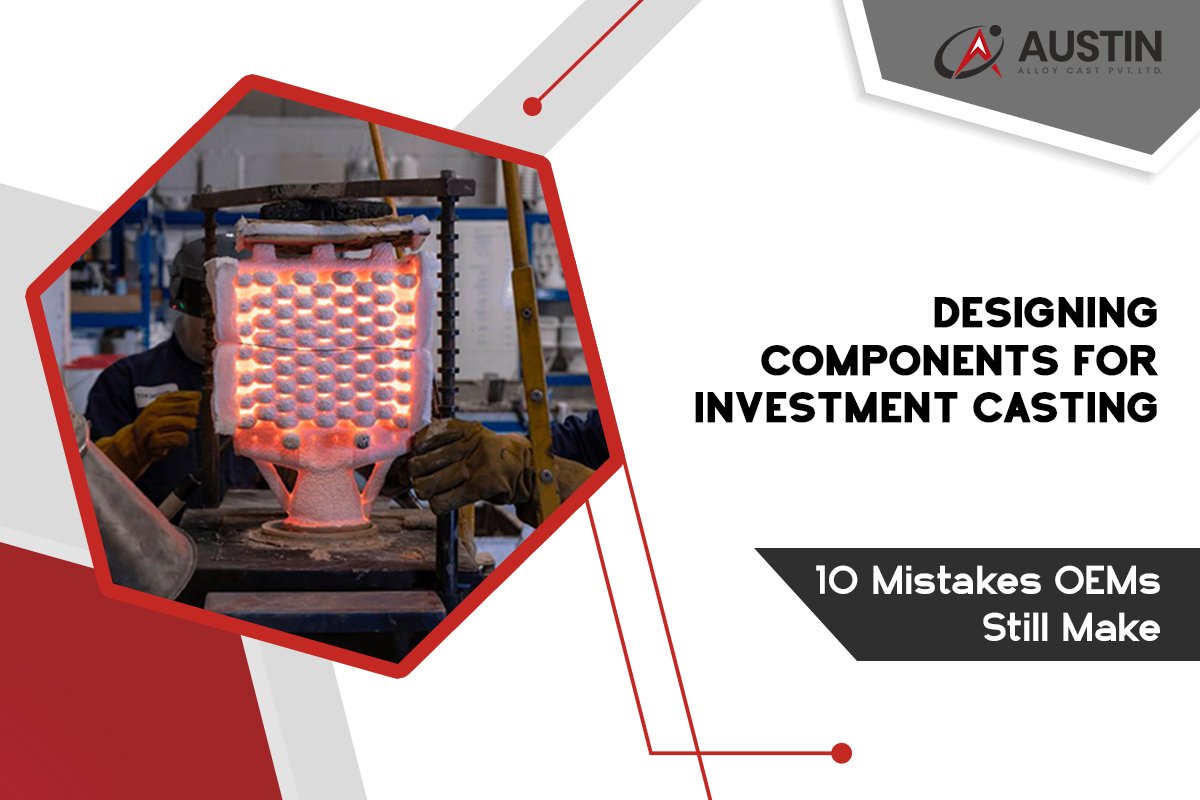
Lost wax investment Casting is a 5000 years process. It began as a way to manufacture precision components like sculpture, and continues to be a fundamental manufacturing process for industries worldwide. Precision casting, also known as the Lost wax process or micro fusion/ Feingues, is a wax pattern build-up process, ceramic shell enclosing, burning out wax, and filling the remaining space with metal. The process is as accurate as any, having higher resolution and surface finish smoothness, and finds the best applications in making minute pieces of parts with close tolerances. We employ these processes at Austin Alloy Cast and supply to industry leaders worldwide from one of the largest single location manufacturing facilities. It is put into practice here to provide cost-effective yet world-class solutions that live up to the expectations of all sorts of businesses. Here are the top five most conducive industries because of lost wax investment casting and how this adaptable process caters to their unique requirements. 

Rail Industry: Accurate to the Life-Critical Mission : 

The rail industry requires components that are precise, durable, and capable of withstanding heavy loads, vibration, and long-term operational stress. Lost wax investment casting is widely used to manufacture parts such as brake system components, coupler parts, suspension brackets, and structural fittings. These components often demand complex geometries and must exhibit excellent mechanical strength, wear resistance, and dimensional stability. Materials like carbon steel, stainless steel, and alloy steels are commonly used due to their toughness and resistance to environmental factors. Austin Alloy Cast’s expertise in precision casting enables rail equipment manufacturers to minimize post-casting machining by delivering near-net-shape parts, reducing material waste and overall production time while ensuring consistent performance in demanding rail environments. 

Marine Industry : Precision Making a Difference to Life-Saving Applications : 

Lost wax investment casting plays a crucial role in manufacturing precision components for the marine industry, including impellers, pump housings, valve components, and propeller blades. This process allows for the production of intricate, corrosion-resistant parts essential for enduring harsh marine environments. Materials like stainless steel, particularly 300-series alloys such as 304 and 316, are favoured for their superior resistance to saltwater corrosion, structural integrity, and long-term durability in maritime applications. Austin Alloy Cast’s advanced Indian facility ensures that marine equipment manufacturers receive high-quality, industry-compliant castings. The near-net-shape capability of investment casting reduces material waste and machining time, making it an ideal solution for cost-effective production of complex and high-performance marine components. 

Food Processing: Performance and Efficiency : 

The food processing industry relies on lost wax investment casting to produce components that meet the highest standards of hygiene, durability, and operational efficiency. Parts such as valve bodies, spray nozzles, impellers, and equipment fittings benefit from the process’s ability to form complex, sanitary-grade geometries with exceptional dimensional accuracy. Stainless steel alloys, particularly 304 and 316, are routinely used for their corrosion resistance, non-reactivity with food products, and compliance with food safety regulations. As food processing systems evolve with increasing automation and precision requirements, investment casting continues to be a key manufacturing method to deliver components that support cleanability, reliability, and long-term performance in demanding food-grade environments. 

Oil and Gas Industry: Resisting Hostile Environments : 

The oil and gas industry is working in perhaps the most hostile environments, with requirements being for materials that will function in corrosive environment, temperature, and pressure. Lost wax investment casting is typically used to cast pieces such as pump casings, valve trims, and tubing that have such demanding requirements. 

The flexibility of the process to cast any quantity of alloys, ranging from stainless steel to nickel-based super alloys, guarantees parts to be long-life and corrosion-resistance. Austin Alloy Cast’s full spectrum of services from casting to post-processing and machining meets the oil and gas industry’s need for quality, reliable parts. Smooth surface finish offered by investment casting also reduces wear and friction, thereby extending the life of high-stress components. Since worldwide energy demands determine long-term equipment needs, investment casting remains an always viable solution for this sector.  

General Engineering: Versatility to Accommodate a Wide Variety of Uses : 

With the exception of specialty uses, general engineering is in the sights of a wide variety of uses that take advantage of the versatility of lost wax investment casting. From grinding blades and mixing plates in industrial equipment components to electronics and robotics precision components, the process is precise and versatile. 

The capability to cast ferrous and non-ferrous alloys such as stainless steel, bronze, and aluminium enables the manufacture of custom parts to mechanical specifications. Austin Alloy Cast advanced casting capabilities and full logistics support system facilitate quick turnaround of castings for many applications in engineering, prototype production, and high-volume production.  

To be concluded : 

Austin Alloy Cast adds to these advantages with its material specification expertise, state-of-the-art mould construction, and rigorous quality control to provide customers with parts to precise specifications. Conclusion Lost wax investment casting is a revolutionary process that unlocks opportunities for industries that need precision and reliability. From rail and marine to automotive, oil and gas, and general engineering, the process offers components of unparalleled quality and performance. Austin Alloy Cast, with its cutting-edge facilities and commitment to excellence, is at the forefront of delivering custom casting solutions that enable these industries to thrive. 

Why India is emerging as a Global Hub for Steel and Stainless Steel Investment Castings?

India’s emergence as an international steel and stainless steel investment casting giant did not happen accidentally. After bringing state-of-the-art manufacturing plants, quality manpower, and sagacious economic policy together, India has become a precision casting powerhouse. Firms such as Austin Alloy Cast, with their cutting-edge factories and emphasis on quality, are at the forefront of India’s increasing dominance of this specialty industry. This article explores the primary reasons why India has become the world center for steel casting and stainless steel castings, tipping its hat to the country’s natural strengths and how it satisfies the world demand.

A Legacy of Manufacturing Excellence

India has a long history of metal working that stretches thousands of years ago, now enhanced with modern-day sophistication. Indians have followed the process of investment casting, also known as lost-wax casting, for centuries first to create marvellous sculptures and ornaments. New technology has upgraded this old process to the vanguard of high-precision manufacturing process to be used for high-end applications within automobile, and food processing industries. Plants like Austin Alloy Cast draw on this legacy, marrying old expertise with latest technology to pour complex steel and stainless steel pieces to exact international standards.

Advanced Infrastructure and Technology

India’s investment casting industry has been fortunate enough to receive the best-of-breed investment in technology and infrastructure. Local foundries such as Austin Alloy Cast have been well equipped with modern equipment and measuring instruments to ensure precision and uniformity. Investment casting processes in these plants include wax model building, coating models with a ceramic slurry, and pouring molten steel or stainless steel into the models. This labor-intensive process, explained on Austin Alloy Cast’s website, enables the manufacture of parts with intricate geometries and surface finishes with minimal requirement for extensive secondary processing.

Cost-Competitive Production

India’s greatest strength is that it is able to provide cost-competitive production without sacrificing quality. Indian material cost, labor cost, and overhead are all less than in most developed countries, which makes India an extremely desirable destination to outsource. Investment casting, the more expensive though because of its precision and sophistication, is cheaper in India than it would be for the West. Austin Alloy Cast, for instance, leverages its ability to make high-value castings at cost-effective prices with the skills of its people and efficient supply chain management.

Skilled Workforce and Global Communication

India’s vast pool of engineers, technicians, and metallurgists is the foundation of its investment casting industry. The organizations such as Austin Alloy Cast have internationally experienced personnel with excellent communication with foreign clients. This plays a significant role in sectors where the castings used in hazardous applications must be accurate, i.e., valve bodies, pump casings, and fittings. The strength to comprehend customer specifications and also the strength to foresee customer expectations makes Indian producers stand out.

Strategic Position and Global Access

India’s geographical advantage reiterates its position as a world steel and stainless steel casting center. Located at the intersection of international shipping lanes, the nation facilitates effective logistics to ship products to any part of the globe. Austin Alloy Cast’s worldwide market access through a warehouse facility in the US & sales representatives across different continents facilitates on-time delivery of product to customers globally. This logistics backup is complemented by India’s stable export policies and trade agreements favouring international business.

Quality and Sustainability

There is no choice in quality in the investment casting business, especially in steel and stainless steel parts employed in high-impact applications. Indian foundries have very high international standards to meet, and some of them, like Austin Alloy Cast, have strict quality control systems. From heat treatment to non-destructive testing, these processes make castings suitable for the demands of the energy, and automotive industries. Austin Alloy Cast’s accuracy and reliability have made it a household name for high-profile international clients.

Compliance with Varying Industry Needs

India’s industrial investment casting business is diversified to meet varied industries. Castings of stainless steel and steel are critical to be used for the production of valves, heavy machinery, pumps, and instruments. Austin Alloy Cast products are diversified from items such as valve bodies, hydraulic cylinder castings, and centrifugal pump casings, and they demonstrate the capability of the industry to deliver diversified needs. Stainless steel Castings for example, is most valued in terms of strength and purity, and for this reason it is best utilized in Medical and food processing Industry.

To conclude India’s becoming a hub of steel and stainless steel investment castings as a worldwide trend is propelled by the economic competitiveness, technology, and culture of the country. Such companies as Austin Alloy Cast are a reflection of India’s strengths, providing the best quality castings that can be acceptable in any industry. With state-of-the-art facilities, highly skilled personnel, and focus on quality, India is not only keeping pace with the international demand but is actually redefining new standards for precision manufacturing. And with companies across the globe seeking dependable affordable casting options, India’s dominance in this is only set to increase.

Different Types of Casting Methods: Which One Is Right for Your Industry?

Investment casting

Casting is the backbone of contemporary manufacturing, allowing industries to produce intricate metal parts with precision and speed. From automotive parts to medical devices, the optimal casting method can be the difference between product quality, price, and delivery timelines. Austin Alloy Cast Pvt. Ltd., investment casting specialist headquartered in Rajkot, Gujarat, is keen on providing quality, affordable solutions to various industries. With their strong facility and focus on innovativeness, they stress appropriate choice of a process for casting to particular applications.Throughout this post, we will explain four most important methods of casting—sand casting, investment casting, shell molding, and die casting—and their operations, advantages, and best applications to help you decide the process that is most suitable for your business.

Sand Casting: Functionally and Cost-Effectiveness

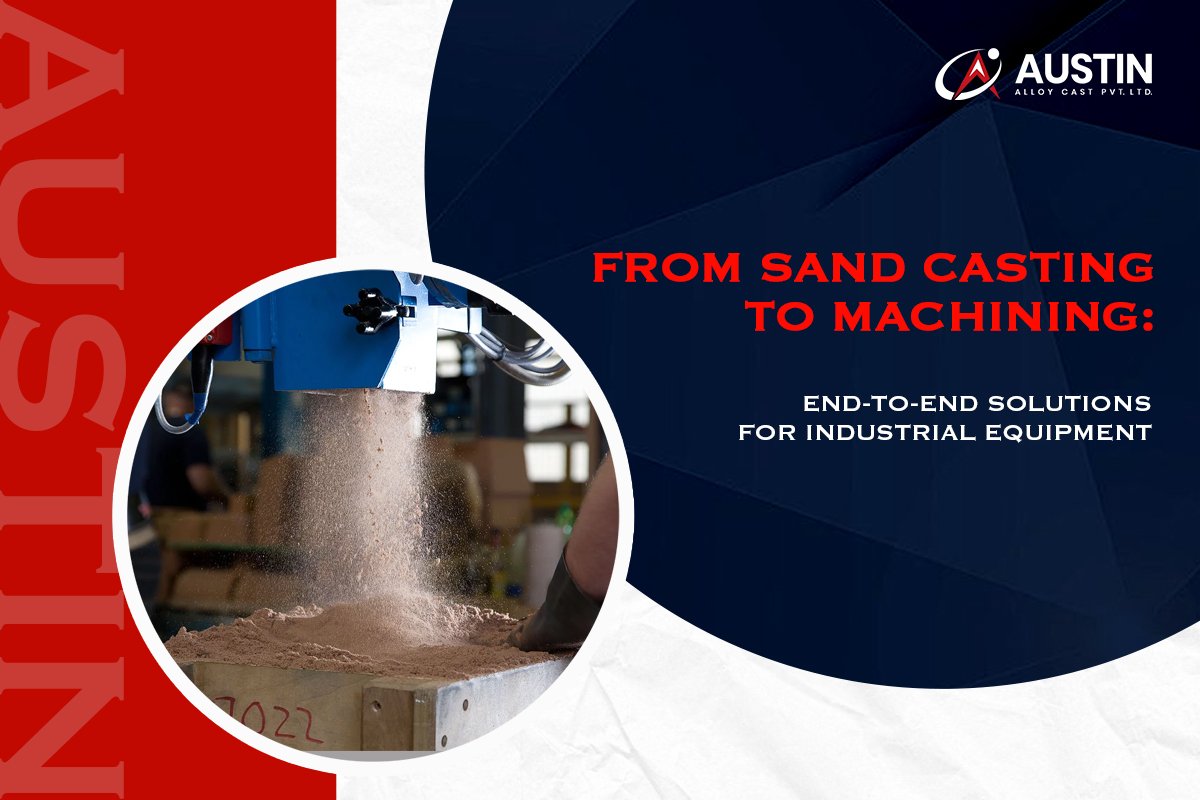
Sand casting is also one of the simplest and the oldest methods of casting, carried out by every company due to its simplicity and low cost. It starts with the creation of a mold using a mixture of clay, sand, and water rammed around a pattern of the part to be manufactured. The mold then discarded, melted metal poured inside the mold’s cavity and when it solidifies hardens forming the part. The sand mold is broken during cooling when it leaves the resulting cast piece with very little being required for most cases of finishing.

Investment Casting: Precision for Complex Geometries

Investment casting, or lost-wax process, is a synonym for precision and versatility, and it is something with which Austin Alloy Cast is expert. It is to duplicate the part in wax, with the wax having been coated by a slurry of ceramic so as to be built up in a hard shell. After that has hardened, the wax will melt out of the shell and create a cavity into which metal that is liquid will be poured. When solidified, the ceramic shell is stripped away, and an extremely fine part is left.

Investment casting is applied extensively in the manufacture of highly intricate parts with high surface finishes and tight tolerances, frequently eliminating the need for redundant machining. Investment casting finds application with the aerospace, medical, and petroleum and gas industries to create turbine blades, valve components, and medical devices. With over half a century of experience to its name since 2014, Austin Alloy Cast leverages the same to deliver mission-critical castings for use by world leaders from its cutting-edge India-headquartered facility.

Shell Molding: Balancing Quality and Efficiency

Shell molding, or shell mold casting, provides a compromise between investment casting precision and sand casting cost savings. The process employs a combination of resin-coated sand to form a thin, hardened shell of a mold around a heat-treated metal pattern. Two halves of a shell are glued together to form the mold, which is subsequently filled with molten metal. The shell is chipped off after cooling to remove the cast part.

Shell molding has tighter tolerances and a smoother finish than sand casting and, accordingly, is used in applications such as automobile gear, hydraulic components, and small machine parts. It is faster than investment casting and can attain higher production volumes and is hence an economic process for medium-size production runs. Automotive, agriculture, and mechanical engineering are just some of the sectors which are preferable to shell molding because it has the ability to cast materials such as cast iron, steel, and non-ferrous alloys.

Die Casting: High-Speed Precision

Die casting is a high-velocity, high-precision process that is ideally suited for the production of large numbers of small- to medium-sized parts. The process is to fill a reusable steel die, or mold, with high-pressure molten metal and quickly cool and solidify the part. The die is opened and the part pushed out, ready for low finishing.

Selecting the Appropriate Process for Your Industry

The appropriate process to choose will be determined by a variety of considerations: complexity of the part, quantity produced, material specification required, and price. Sand casting is ideal for high volume production runs of low-volume components in construction-type businesses where cost is more a factor than precision. Austin Alloy Cast-investment casting is best utilized for picky, costly aerospace, medical, and energy parts where costliness can take the burden of the quality and precision. Shell molding is effective at maximum location where medium lot size is produced for the motor and engineering part in cases with compromised price but quality is priority. Die casting is ideal for high-precision, high-volume parts in consumer and automotive products where volume and speed are most important.

Conclusion

Selection of the casting process is a make-or-break manufacturing decision. Sand casting provides cost savings and flexibility, investment casting provides precision for intricate parts, shell molding provides balance between quality and efficiency, and die casting provides efficiency in high volume production. By project requirement analysis and drawing on industry expertise such as Austin Alloy Cast, manufacturers can choose the process that best reacts to their needs. Whether manufacturing heavy equipment, medical equipment, or consumer electronics, the correct casting process provides quality, reliability, and value for money, propelling innovation across industries.

Precision casting of metal parts for futuristic general engineering.

entry image

Futuristic general engineering implies improved productivity, smart functionality and sustainability. Precision casting of metal parts for general engineering is the process to make the parts with precise finishing. One can achieve accurate size and shape of engineering parts and excellent surface finish only with precision casting. These casted parts, in turn give shape to futuristic general engineering. As we are talking about precision casting, how can we not mention leading precision casting manufacturing companies? Austin Alloy Cast, which employs more than 250 employees at the world class foundry set-up back in India is one of the prominent manufacturers.

Why choose only precision casting?

As mentioned above futuristic general engineering will be more advanced with smart functionality and improved productivity. Finishing quality of the metal parts used in general engineering is the crucial matter. Having blemishes, defects, porosity, uneven or unfinished surfaces in your metal components can lead to impaired productivity. Precision casting or investment casting process produces metal parts with excellent surface finish. Moreover, precision casted parts are visually appealing and look better than any parts manufactured using other processes.

Apart from finishing quality, precision casting can handle complex shapes of the components which are used for general engineering.

For all the reasons one should choose precision casting for manufacturing of general engineering metal parts or components. It is also important to choose the right foundry which can handle the process very well. Austin Alloy Cast offers a complete solution to manufacture your general engineering parts under one roof. Austin has expertise in gear blank casting, rope fitting components, marine transducer housing, rail coupler lock lift assembly, lantern, etc.

At Austin Alloy Cast, every project is handled with care and considering the requisites of it. If required technical consultation and value added services are offered.

Contact us on below given details to check availability and booking an appointment with our sales agent in your area.

Feinguss in India: Quality solution for your metal casting projects.

entry image

When you choose feinguss casting for your metal parts project, the first thing that comes to your mind is to find the right foundry to take over the projects. India is the best country to source for your feinguss casting project requirements. Going for Feinguss in India will have many advantages. But, how to choose the right foundry for your requirements?

Feinguss is a lost-wax casting in which a molten metal is poured into a mould that has been created by means of a wax model. The process requires following steps:

project image

Tool making

project image

Wax Injection

project image

Pattern Assembly

project image

Shell Coating

project image

Dewaxing

project image

Pouring

project image

Shell removing

project image

Heat treatment

project image

Finishing

project image

Final Inspection

This process takes a lot of time and labour. Any investment casting manufacturing foundry having required set-up and labours can do the job very well. Feinguss in India could be the best option for cost-effective and quality solutions.

Feinguss in India and Austing Alloy Cast:

Austin Alloy Cast offers a comprehensive solution for any of your metal parts which is for stainless steel, alloy steel, duplex steel & nickel base castings. Austin has one of the largest manufacturing facilities for investment castings in India at a single location. We can handle large volumes and weight per piece of upto 150 kgs. Detailing in each process is our forte and we have acquired expertise in the investment casting process.

From technical consulting to sample development or to convert your sand casting or other metal casting processes to Feinguss in India, contact Austin Alloy Cast at the following given details or our sales agents in North America, Europe or APAC regions. Our sales agents are easy to reach and available according to your time zone. Furthermore, we have sales agents who speak languages like English, Hindi, Danish, Portuguese, German, French and Japanese.

Let’s work together for your next project.